EVA vs. TPE: Which Material is Best for Your Next Project?
Choosing the right material can make or break your product’s performance, durability, and market appeal. In the world of polymers, EVA (Ethylene Vinyl Acetate) و TPE (Thermoplastic Elastomer) are two of the most popular contenders. But which one truly aligns with your specific needs?
Quick Summary: The Core Difference
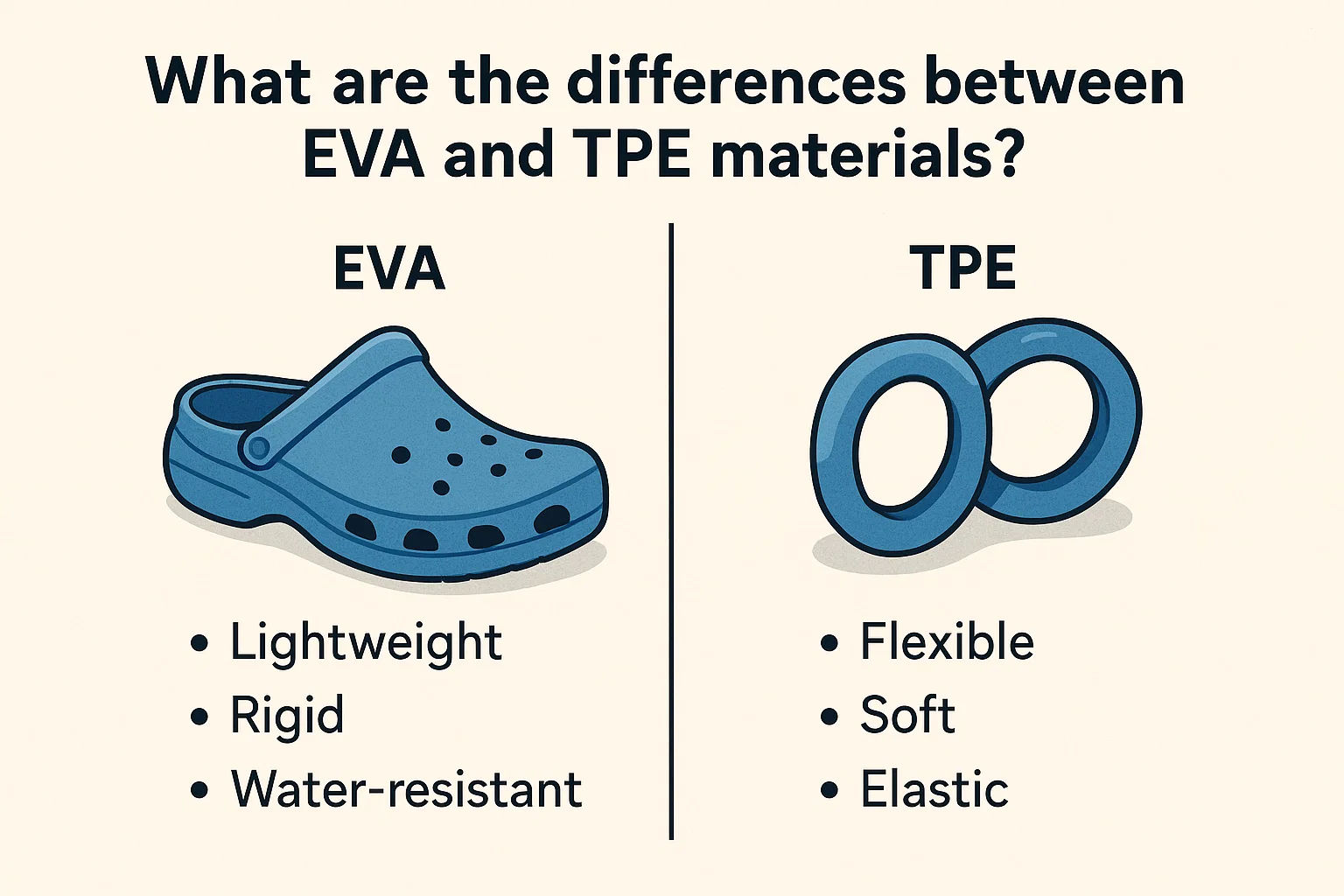
The primary difference lies in their chemical versatility and sustainability. While إيفا is a foam-based polymer championing superior shock absorption and cost-effectiveness, مادة TPE is a sophisticated blend of rubber and plastic that offers higher durability, better UV resistance, and full recyclability. If you need maximum cushioning, choose EVA; if you prioritize longevity and eco-friendliness, TPE is the superior choice.
Understanding the Materials: A Deep Dive
What is EVA?
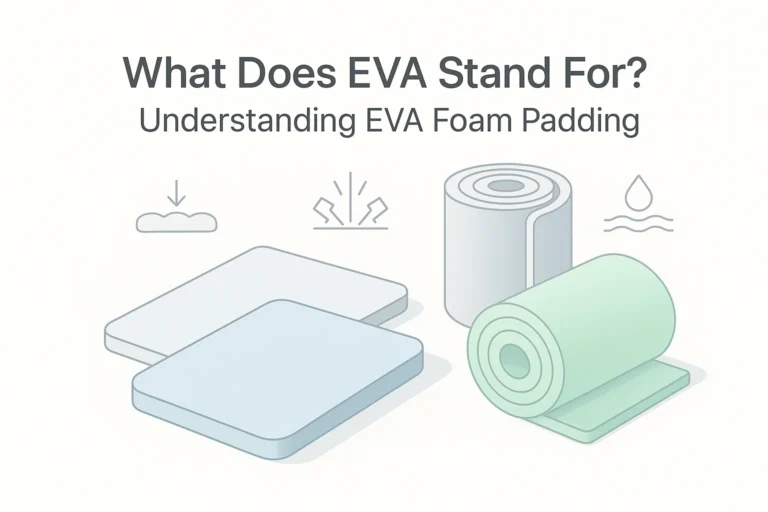
EVA is an elastomeric polymer that produces materials which are “rubber-like” in softness and flexibility. It is the industry standard for lightweight cushioning.
الأفضل لـ Footwear midsoles, protective sports gear, and budget-friendly yoga mats.
What is TPE?
TPE is a high-performance material that combines the easy processing of plastics with the elasticity of rubber. It is often referred to as “green rubber.”
الأفضل لـ High-end eco-friendly yoga mats, medical tubing, and automotive seals.
Key Comparison Factors
1. Durability & Resilience
When it comes to “memory” and long-term use, TPE takes the lead. TPE products maintain their shape even after repeated stretching or compression. Furthermore, TPE offers exceptional resistance to UV rays and chemicals, making it suitable for outdoor environments where EVA might degrade or harden over time.
2. Environmental Impact (E-E-A-T Focus)
As sustainability becomes a decisive factor for modern buyers, understanding the life cycle of your material is crucial.
- TPE: 100% Recyclable. It can be melted down and reused, significantly reducing the carbon footprint.
- EVA: Harder to recycle. Most EVA foam products end up in landfills at the end of their life cycle.
3. Performance & Texture
TPE generally provides a قبضة فائقة (non-slip surface) even when wet, which is why professional-grade yoga mats prefer TPE. EVA, while extremely soft, can become slippery when exposed to sweat or moisture, although its shock absorption per millimeter is often higher than TPE.
Pros and Cons: Direct Comparison
Advantages of TPE
- Eco-friendly & Recyclable
- Excellent UV & Weather resistance
- Superior non-slip grip
- Greater elasticity & recovery
Limitations of TPE
- Higher raw material cost
- Can be heavier than low-density EVA
Advantages of EVA
- Ultra-lightweight
- Exceptional shock absorption
- Highly cost-effective
- Water-resistant (closed-cell)
Limitations of EVA
- Difficult to recycle
- Lower resistance to heat/UV
- Can “flatten” over time
Technical Specification Table
| الميزة | مادة EVA | TPE Material |
|---|---|---|
| المرونة | Soft & Cushioning | Highly Elastic & Stretchable |
| Longevity | معتدل | High (Resistant to aging) |
| قابلية إعادة التدوير | منخفضة | High (Eco-friendly) |
| مقاومة المواد الكيميائية | جيد | ممتاز |
| Typical Cost | Budget-Friendly | Premium / Mid-range |
مبادئ إستراتيجية لاختيار: ما الذي يجب عليك اختياره؟
اختر EVA إذا: أنت تصمم منتجات حيث أن الراحة الخفيفة والكفاءة التكاليف هي الأولوية الأعلى، مثل التعبئة التغليف的一次ية، والعباءات الراحة، أو الألعاب للاطفال.
اختر TPE إذا: أنت تستهدف السوق الفاخر، حيث أن الاستدامة، والخصائص المفيدة للجلد، وdurability طويل الأمد تحت ظروف قاسية هي غير قابل للتفاوض.
هل أنت غير متأكد من الدرجة المناسبة لاستخدامك؟ يمكن فريق الهندسة لدينا تقديم تحليل مواد مخصص لتحسين أداء منتجك.
احصل على استشارة مateriales المهنيةملاحظة الخبرة: هذه المقارنة مبنية على الدرجات الصناعية القياسية. يمكن تعديل الخصائص المحددة خلال عملية التكوين لfulfilling متطلبات مخصصة.