TPU Gloves vs. Nitrile Gloves: Which is the Best Choice for Your Business?

TPU Gloves vs. Nitrile: Which is the Best Choice for You?

In professions where safety, hygiene, and precision are paramount, the choice of disposable gloves is a critical decision. For years, nitrile has been a go-to material, but a more advanced contender, Thermoplastic Polyurethane (TPU), is rapidly gaining recognition for its superior qualities. For procurement managers and industry professionals, understanding the nuanced differences between these materials … Read more

EVA vs PE Foam: A Complete Guide to Choosing the Right Foam

EVA vs PE Foam: A Complete Guide to Choosing the Right Foam

Confused between EVA and PE foam? This comprehensive guide provides a clear, head-to-head comparison to help you choose the right material. We break down the key differences in durability, cost, softness, and ideal applications, from industrial packaging to cosplay. Make an informed decision for your project with expert insights from Damao Tech.

Food-grade disposable TPU gloves catalog

03 NEW TPU Disposable Gloves Industrial-Grade Thermoplastic Polyurethane Protection Standard TPU Construction Reliable mechanical performance for daily operations Biomass-Certified Content Supports reduced fossil-based input Moisture Vapor Transmission (MVT) Breathable, water-resistant barrier www.damao-tech.com 04 Technical Specifications (TPU v2.0) Origin: Manufactured in China Material: Thermoplastic Polyurethane (TPU) Thickness: 0.02-0.05 mm Colors: White, Clear, Blue, Orange, Black Sizes: … Read more

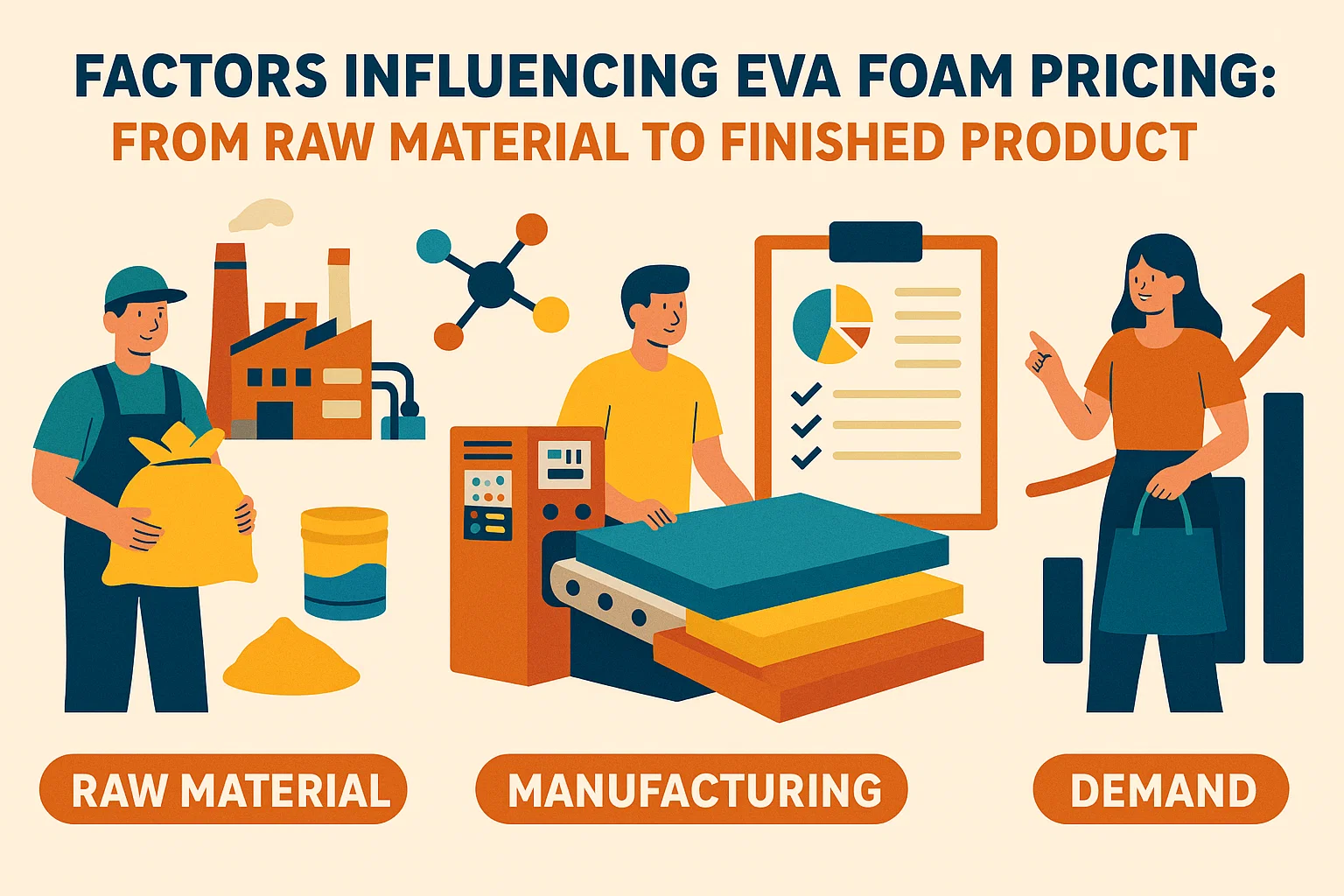
Understanding EVA Foam Pricing: A Complete Breakdown from Raw Material to Custom Part

EVA Foam Pricing: A Complete Cost Breakdown

Why do EVA foam prices vary so much? This definitive guide breaks down every cost factor, from the quality of raw materials and foam density to the complexities of custom fabrication like die-cutting and CNC machining. Understand the “why” behind the price to make smarter, more cost-effective choices for your project, whether you need sheets, rolls, or custom-designed parts.

The Eco-Friendly Choice: Understanding the Biodegradability of Disposable TPU Gloves

Disposable TPU Gloves: The Eco-Friendly Choice | Damao

Traditional disposable gloves come with a high environmental cost, leaving businesses to choose between safety and sustainability. But it doesn’t have to be that way. At Damao, we champion an innovative solution: eco-friendly disposable TPU gloves. This article explores the science behind TPU, explaining how it biodegrades, why it’s a superior choice over traditional materials, and how it can help your business achieve its green goals without compromising on performance.

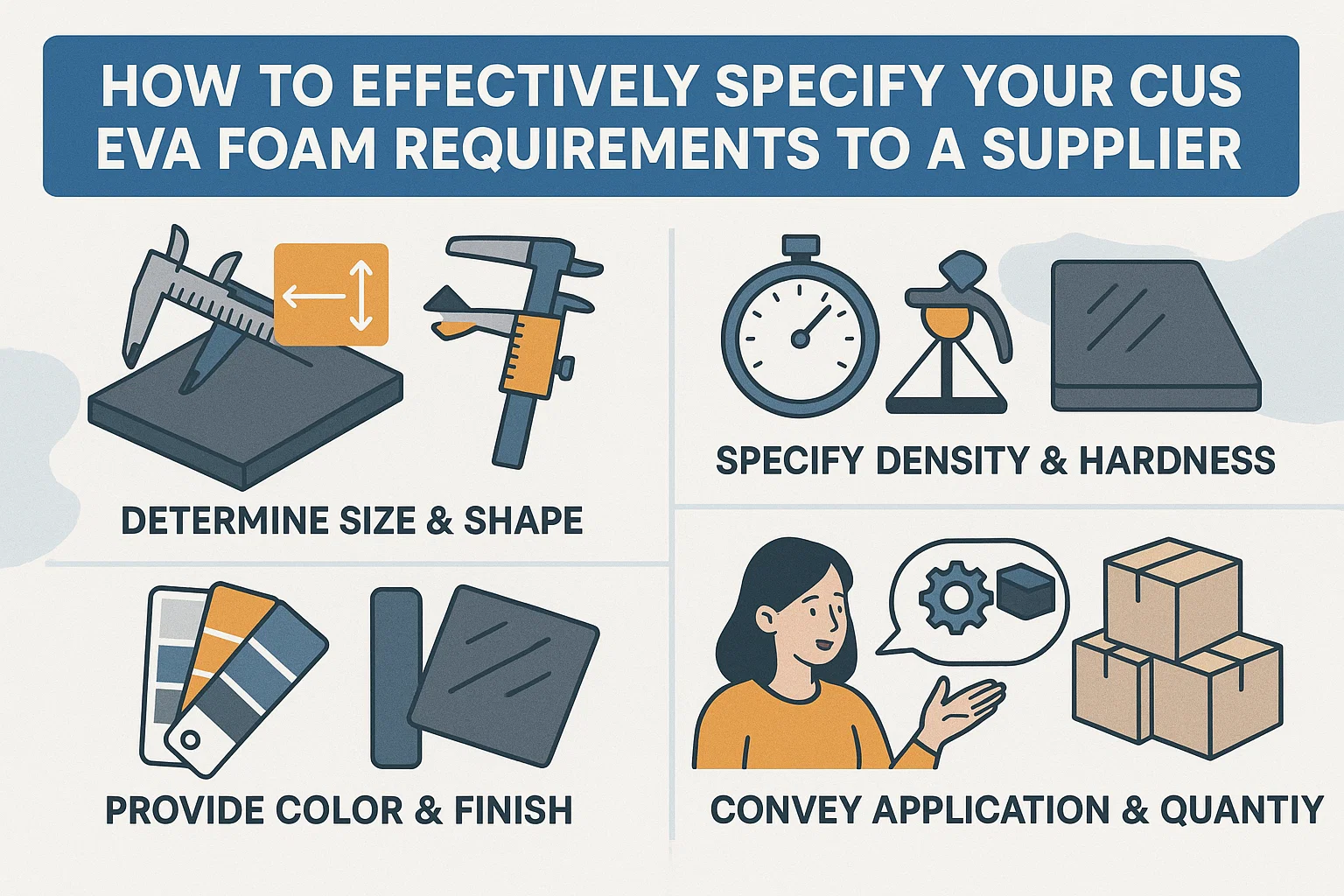
How to Effectively Specify Your Custom EVA Foam Requirements to a Supplier

How to Specify Custom EVA Foam: A Professional's Guide

A comprehensive guide for professionals on how to precisely specify custom EVA foam requirements to a supplier. This article covers critical parameters such as material density, dimensions, tolerances, hardness, performance criteria, and regulatory compliance. Learn how to provide clear documentation to ensure you receive the exact foam solution your application demands, with expert advice from Damao Tech.

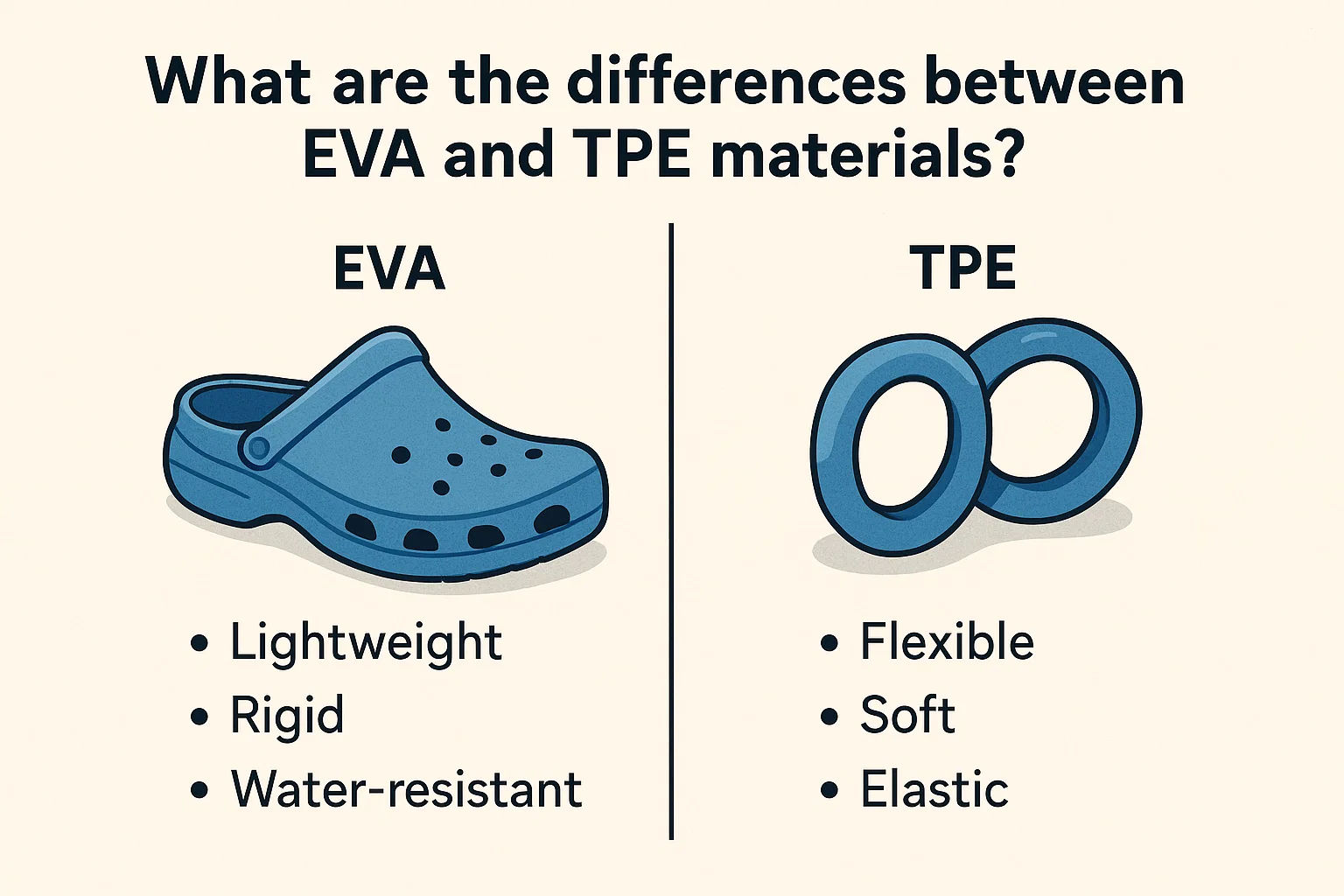
What are the differences between EVA and TPE materials?

What are the differences between EVA and TPE materials?

EVA and TPE are popular materials with distinct advantages—EVA offers superior cushioning and shock absorption, while TPE provides better slip resistance, flexibility, and environmental benefits, making each suitable for different uses like yoga mats and footwear.

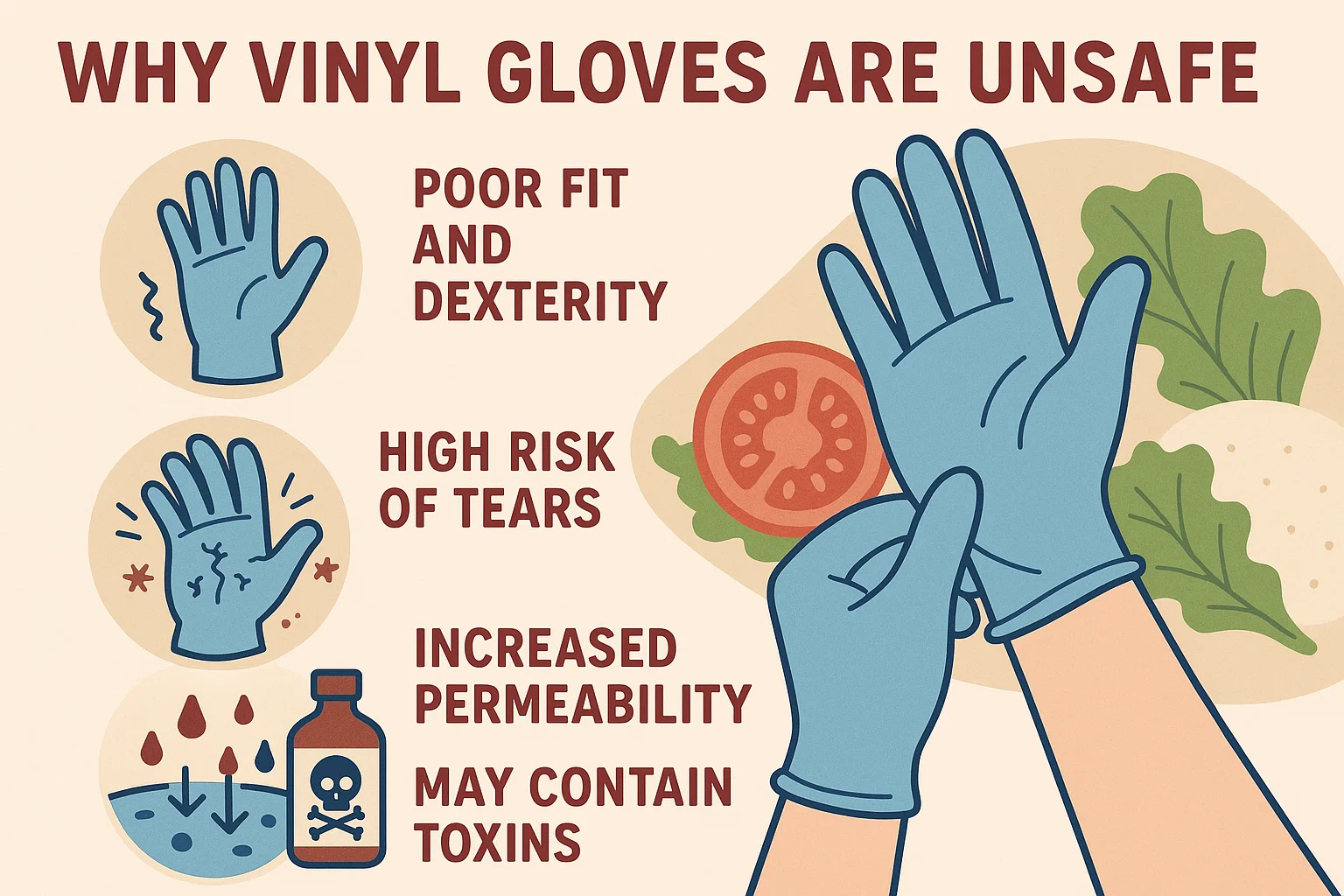
Are PVC Gloves Recyclable? The Complete Guide from Damao

Are PVC Gloves Recyclable? The Complete Guide from Damao

PVC gloves (also known as vinyl gloves) are a common sight, but their end-of-life disposal is widely misunderstood. While they are technically recyclable through highly specialised industrial programmes, they should never be placed in your household or general commercial recycling bin. This is due to their material type (plastic #3), high risk of contamination, and form factor which can damage sorting machinery. For the vast majority of users, the correct and most responsible method for disposal is the general waste bin.