EVA vs. TPE: Which Material is Best for Your Next Project?
Choosing the right material can make or break your product’s performance, durability, and market appeal. In the world of polymers, EVA (Ethylene Vinyl Acetate) Und TPE (Thermoplastic Elastomer) are two of the most popular contenders. But which one truly aligns with your specific needs?
Quick Summary: The Core Difference
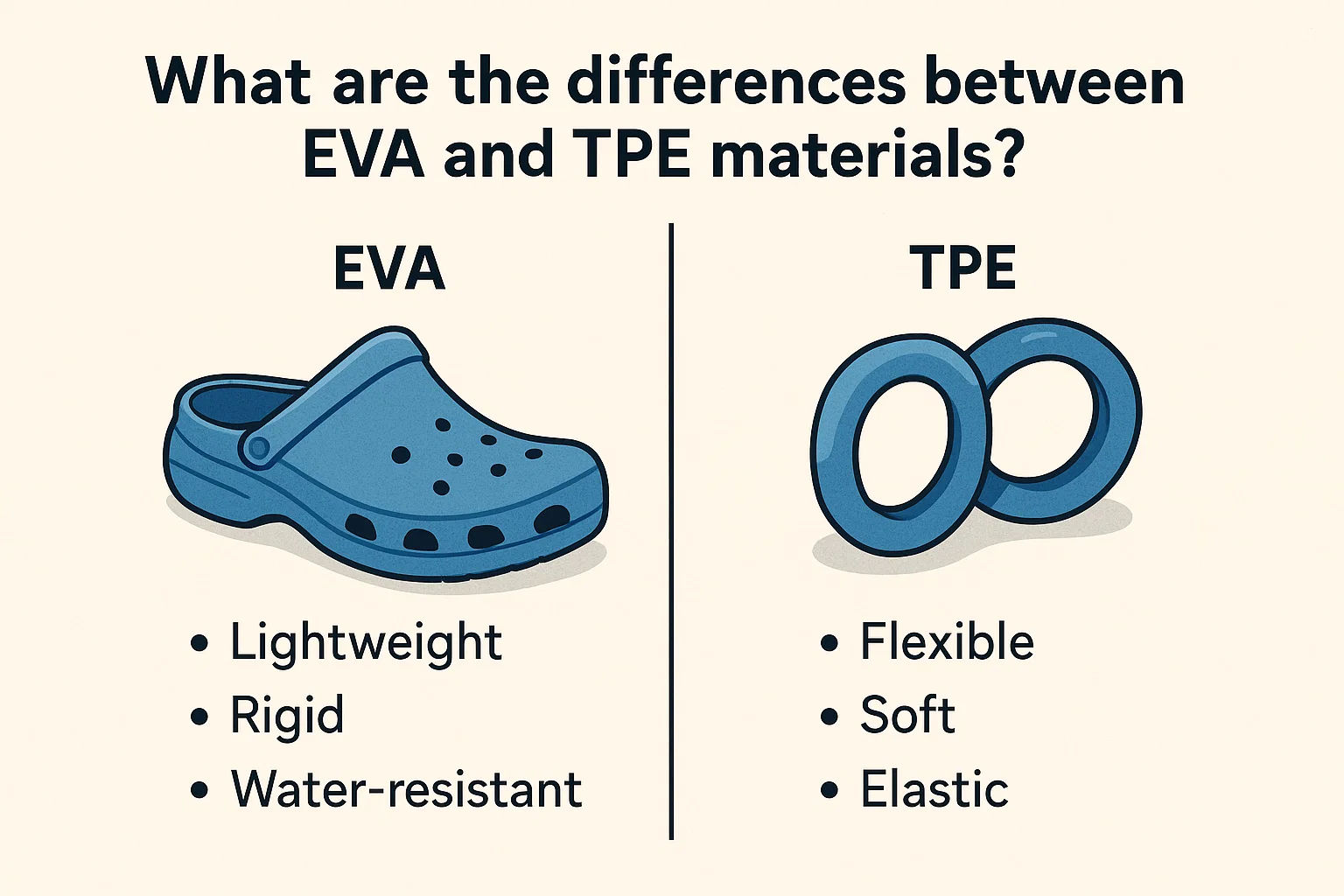
The primary difference lies in their chemical versatility and sustainability. While EVA is a foam-based polymer championing superior shock absorption and cost-effectiveness, TPE is a sophisticated blend of rubber and plastic that offers higher durability, better UV resistance, and full recyclability. If you need maximum cushioning, choose EVA; if you prioritize longevity and eco-friendliness, TPE is the superior choice.
Understanding the Materials: A Deep Dive
What is EVA?
EVA is an elastomeric polymer that produces materials which are “rubber-like” in softness and flexibility. It is the industry standard for lightweight cushioning.
Best for: Footwear midsoles, protective sports gear, and budget-friendly yoga mats.
What is TPE?
TPE is a high-performance material that combines the easy processing of plastics with the elasticity of rubber. It is often referred to as “green rubber.”
Best for: High-end eco-friendly yoga mats, medical tubing, and automotive seals.
Key Comparison Factors
1. Durability & Resilience
When it comes to “memory” and long-term use, TPE takes the lead. TPE products maintain their shape even after repeated stretching or compression. Furthermore, TPE offers exceptional resistance to UV rays and chemicals, making it suitable for outdoor environments where EVA might degrade or harden over time.
2. Environmental Impact (E-E-A-T Focus)
As sustainability becomes a decisive factor for modern buyers, understanding the life cycle of your material is crucial.
- TPE: 100% Recyclable. It can be melted down and reused, significantly reducing the carbon footprint.
- EVA: Harder to recycle. Most EVA foam products end up in landfills at the end of their life cycle.
3. Leistung & Textur
TPE bietet in der Regel eine überlegener Griff (rutschfeste Oberfläche) auch wenn nass, weshalb professionelle Yogamatte TPE bevorzugen. EVA, obwohl extrem weich, kann rutschig werden, wenn sie Schweiß oder Feuchtigkeit ausgesetzt ist, obwohl ihre Stoßdämpfung pro Millimeter oft höher als bei TPE ist.
Vorteile und Nachteile: Direkte Vergleich
Vorteile von TPE
- Umweltfreundlich & recycelbar
- Ausgezeichnete UV- und Wetterbeständigkeit
- Überlegene rutschfeste Haltbarkeit
- Größere Elastizität & Rückstellfähigkeit
Nachteile von TPE
- Hoher Rohstoffkosten
- Kann schwerer sein als niedrigdichte EVA
Vorteile von EVA
- Ultra-leicht
- Ausgezeichnete Stoßdämpfung
- Hohe Kosteneffizienz
- Wasserbeständig (geschlossene Zellstruktur)
Nachteile von EVA
- Schwer zu recyceln
- Niedrigere Widerstandsfähigkeit gegen Hitze/UV
- Can “flatten” over time
Technische Spezifikations-Tabelle
| Merkmal | EVA-Material | TPE Material |
|---|---|---|
| Flexibilität | Weich & schützend | Hohe Elastizität & Dehnbarkeit |
| Langlebigkeit | Mäßig | Hoch (Resistent gegen Alterung) |
| Wiederverwertbarkeit | Niedrig | Hoch (Umweltfreundlich) |
| Chemische Beständigkeit | Gut | Ausgezeichnet |
| Typische Cost | Budget-Friendly | Premium / Mittelklasse |
Strategischer Entscheidungshilfe: Welchen sollten Sie wählen?
Wählen Sie EVA, wenn: Sie entwickeln Produkte, bei denen leichtes Komfort und Kosteneffizienz die höchsten Prioritäten sind,例如一次性包装、休闲鞋或儿童玩具。.
Wählen Sie TPE, wenn: Sie zielen auf den Premium-Markt ab, wo Nachhaltigkeit, hautfreundliche Eigenschaften und lange Haltbarkeit unter harten Bedingungen nicht verhandelbar sind。.
Sind Sie unsicher, welcher Grad für Ihre Anwendung richtig ist? Unser Ingenieurteam kann eine maßgeschneiderte Materialanalyse bereitstellen, um die Leistung Ihres Produkts zu optimieren。.
Erhalten Sie eine professionelle MaterialberatungExpertisehinweis: Dieser Vergleich basiert auf Standardindustriegraden. Spezifische Eigenschaften können während des Compoundierungsprozesses verändert werden, um maßgeschneiderte Anforderungen zu erfüllen。.