Custom EVA Foam Manufacturer & OEM Solutions
Custom EVA foam manufacturer for sheets, rolls, molded components and OEM parts, with density, hardness, color and finishing matched to your production needs.
Consult Now
Custom EVA Foam Manufacturer for Engineered Components
Damao Tech manufactures custom EVA foam for protective packaging, automotive pads, gaskets, consumer products, and industrial assemblies. As an EVA foam manufacturer, we supply sheet stock, rolls, blocks, molded components, and finished OEM parts while helping buyers define density, hardness, color, surface finish, and fabrication method before sampling.
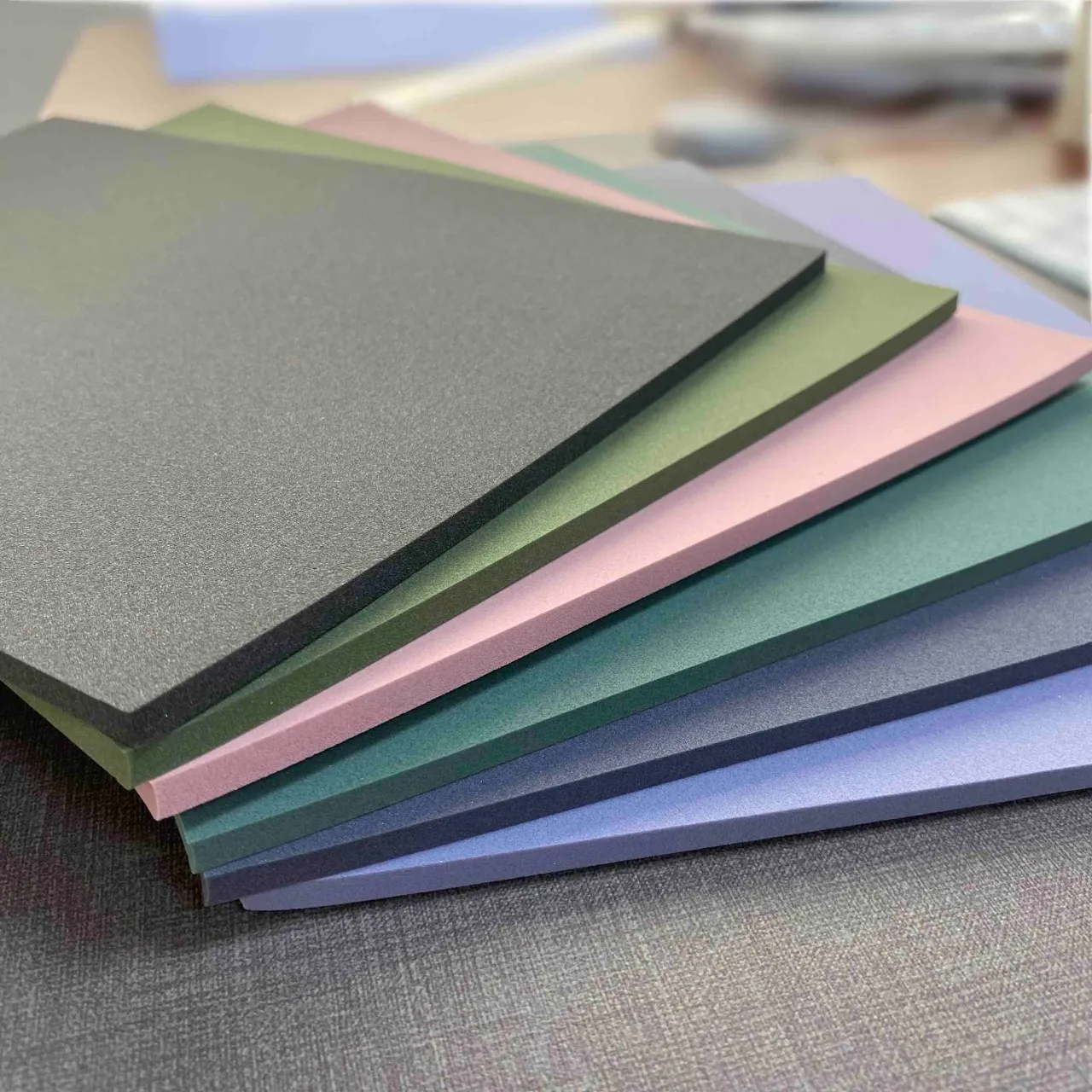
EVA Foam Sheets, Rolls & Custom Parts
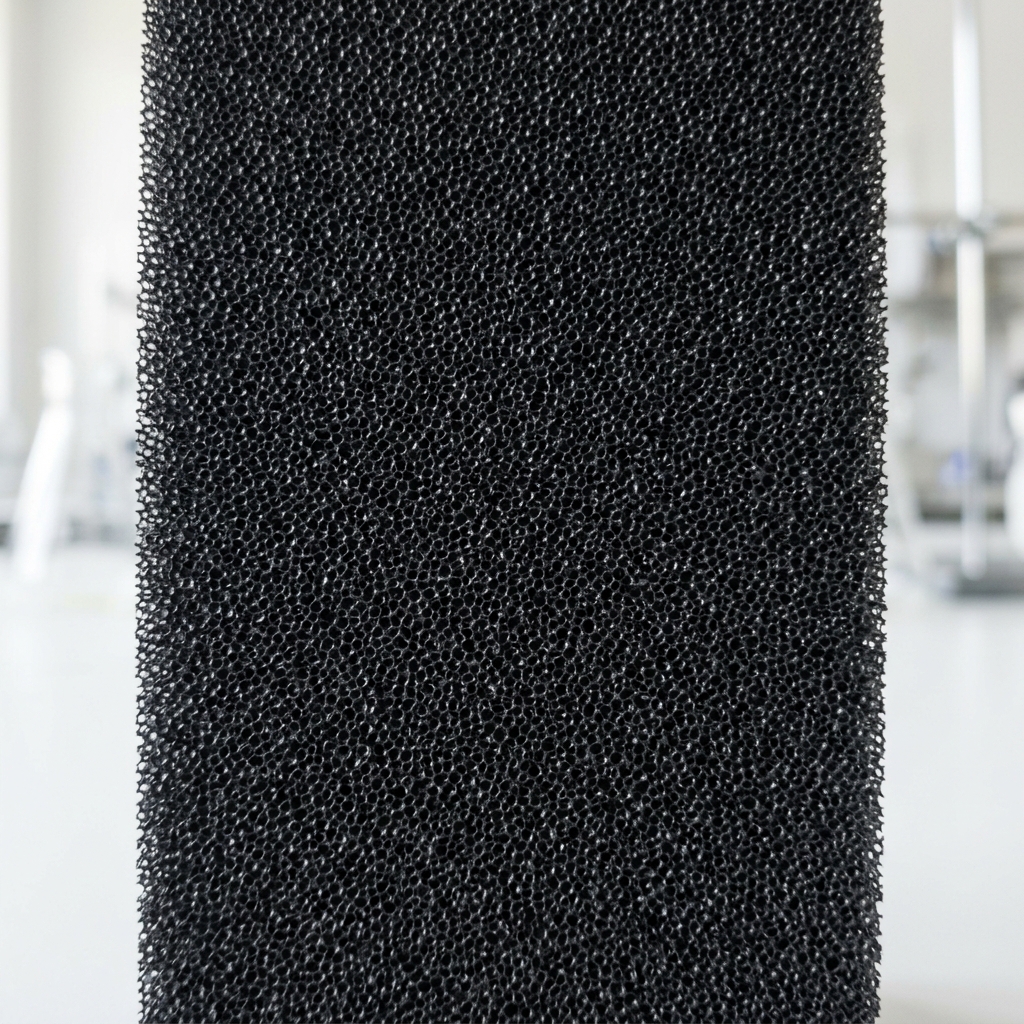
Why Choose EVA Foam for Your Project
Quality Control & Compliance
Quality System
Incoming, in‑process, and outgoing inspections; documented control plans to ensure zero-defect production.
Global Compliance
RoHS/REACH statements; third‑party testing available upon request for specific industry standards.
Batch Traceability
Comprehensive batch records with retained samples and lot‑level documentation for every shipment.
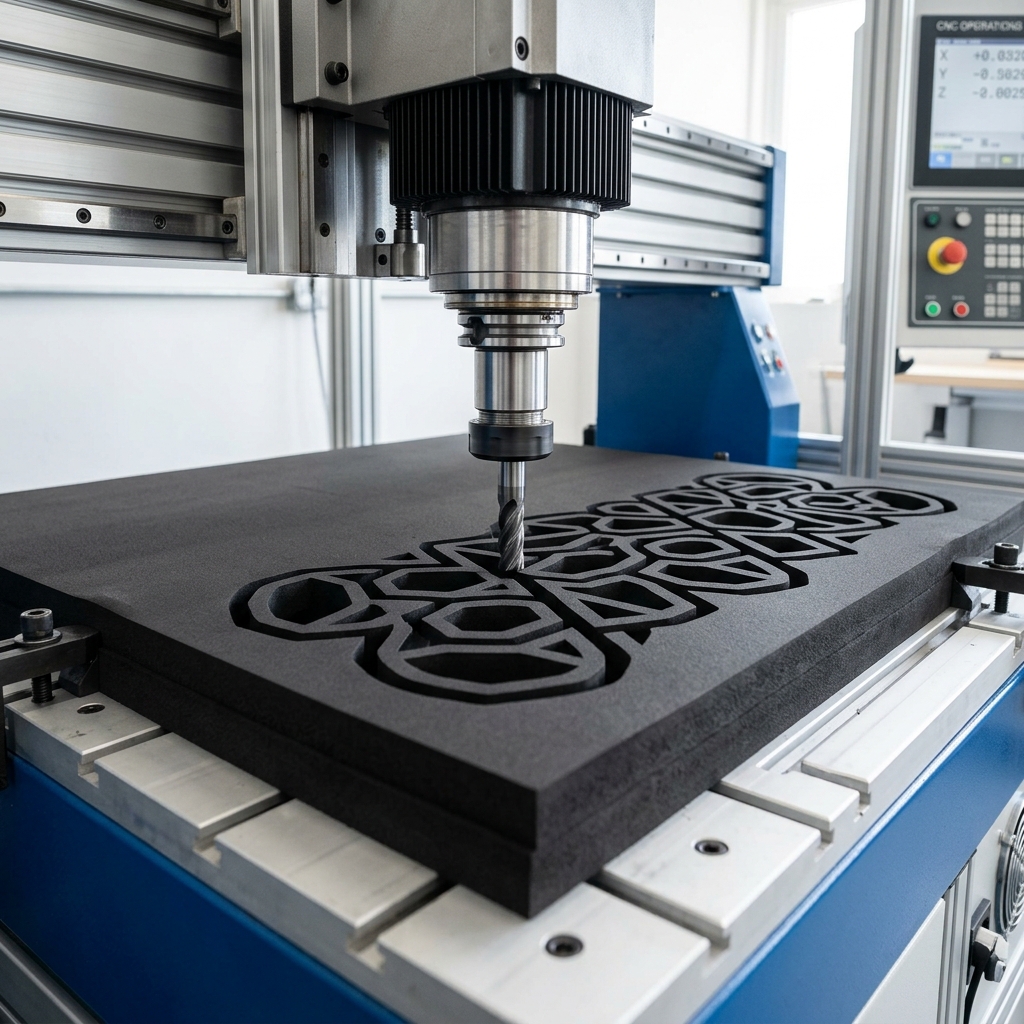
Precision Manufacturing Capabilities
Advanced Engineering Strengths
Supply Forms
Available as EVA foam sheets, continuous rolls, and pre-cut adhesive parts. All EVA foam sheets and products are fully available for custom OEM manufacturing.
Thickness
Precision splitting from 1.0mm up to 100mm+, including popular 2mm, 3mm, 5mm, and 10mm EVA foam specs.
Hardness
Multiple grades adjusted for rebound and compression.
Surface Finish
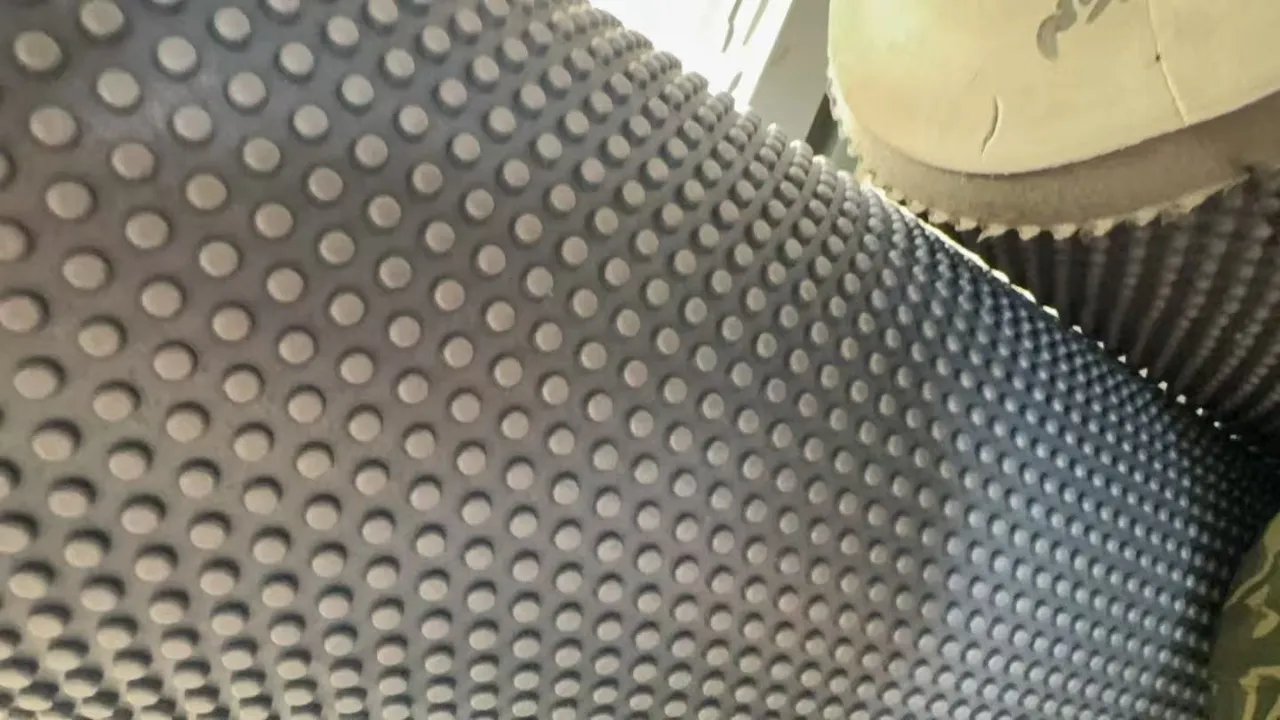
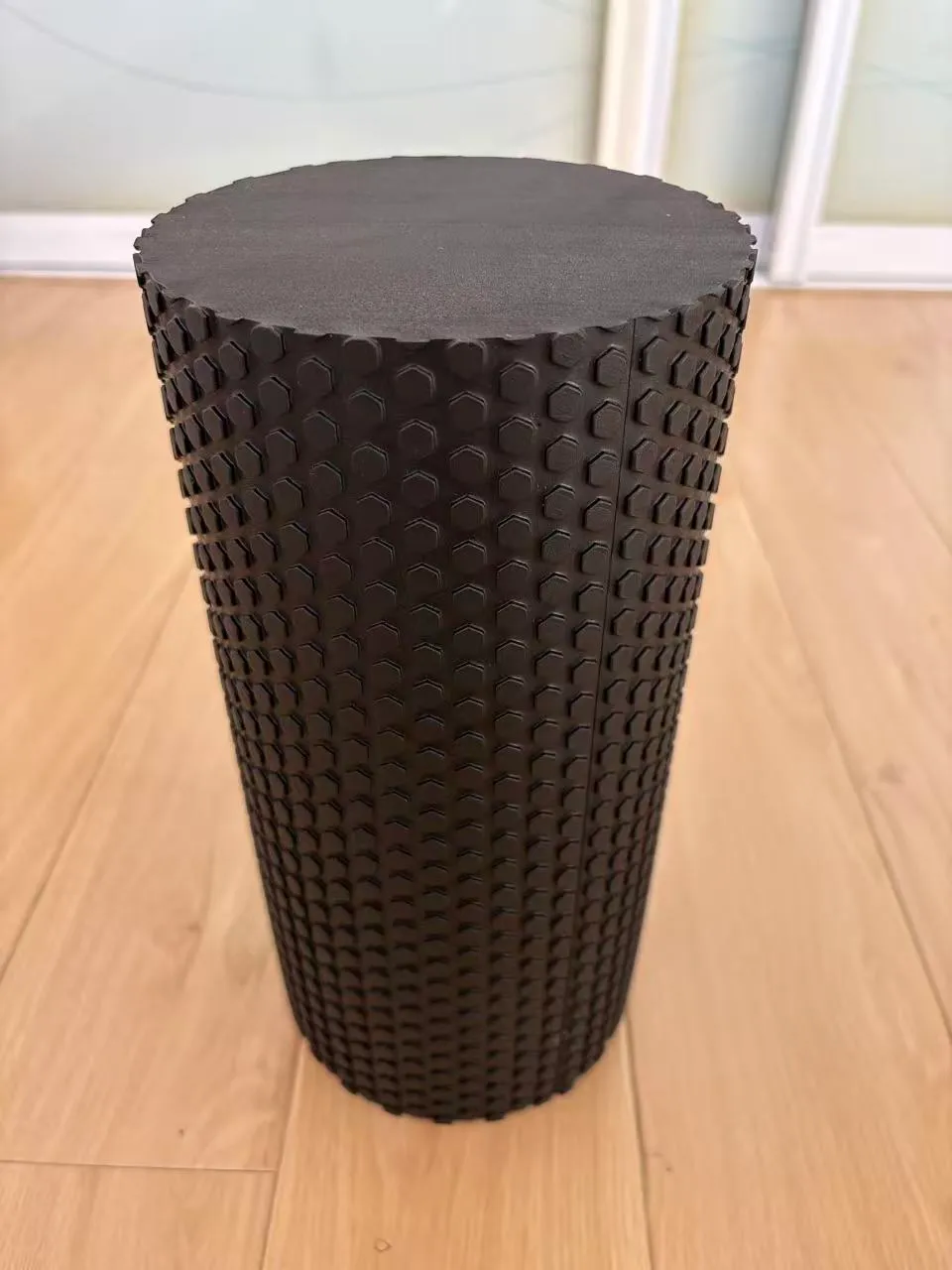
Smooth, embossed pattern, or fabric laminated options.
Industry Applications
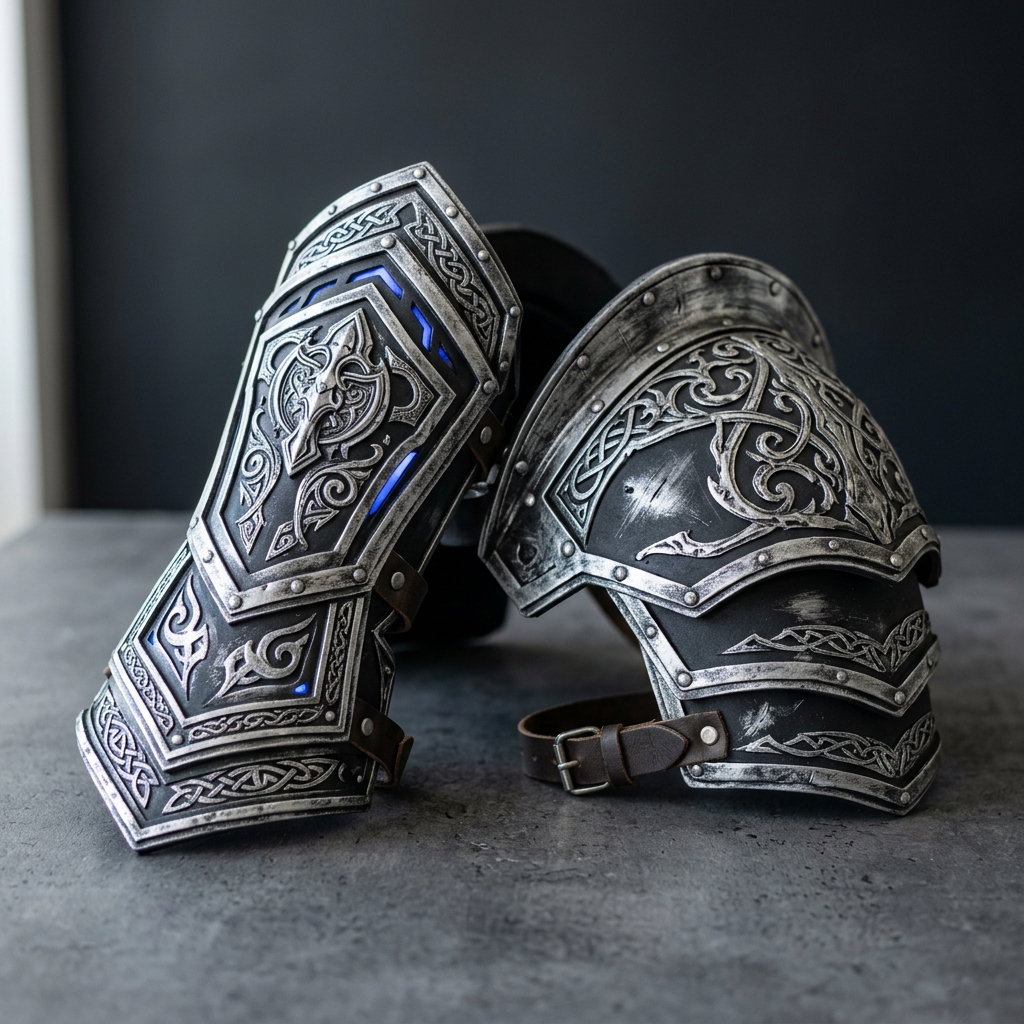
Creative & Cosplay
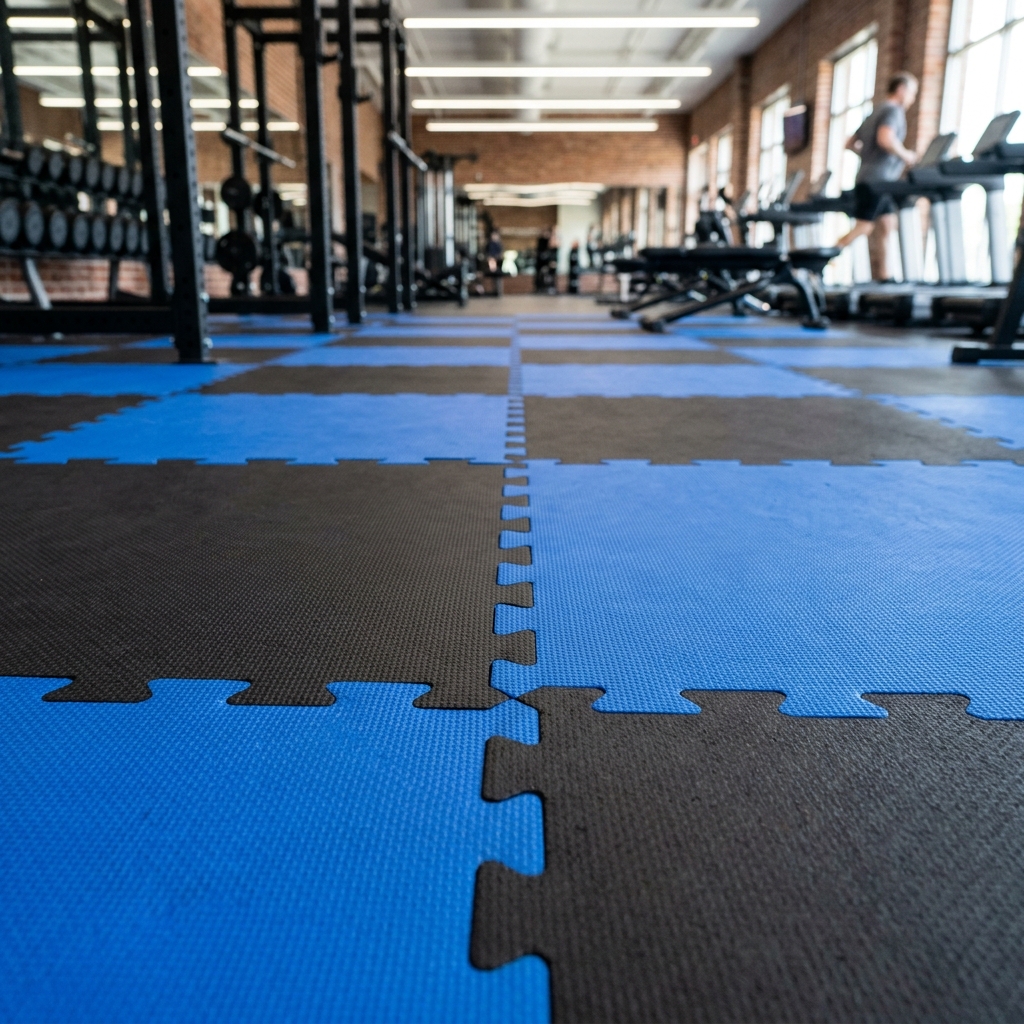
Fitness & Flooring
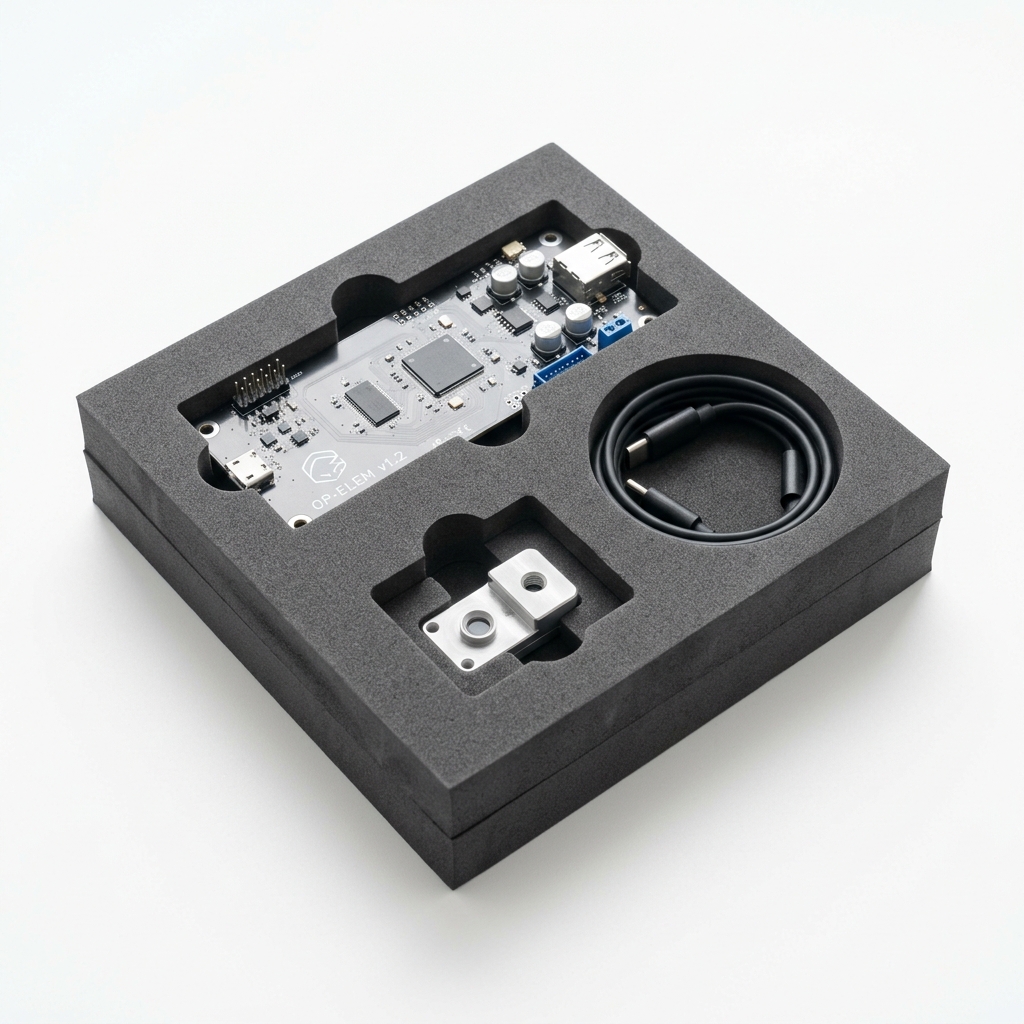
Packaging & Logistics
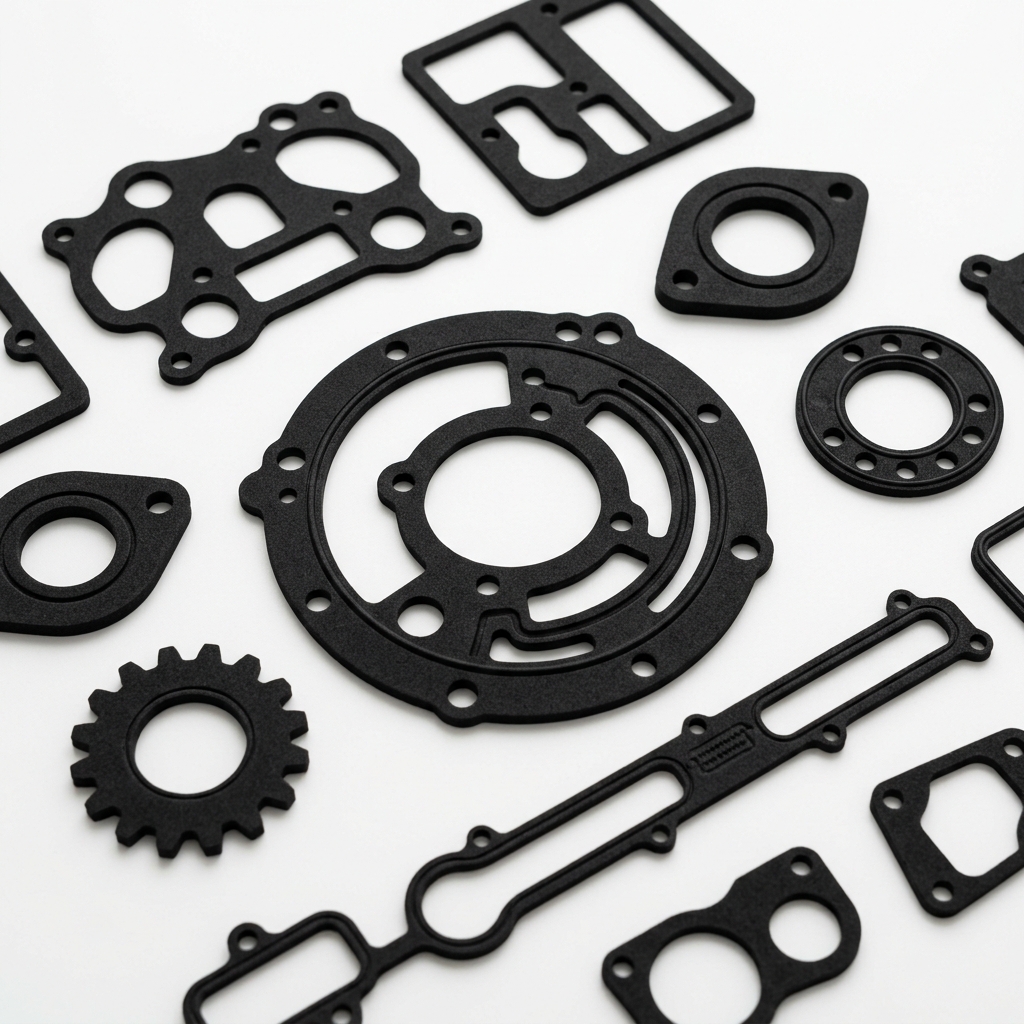
Automotive & Industrial
Consumer Goods & Toys

Specs & Selection Guide
Performance Targets
Choose density/hardness for the required impact absorption and specific 'feel' of the final product.
Geometry Match
Matching thickness and slitting precision to your desired deflection and footprint.
Stack‑ups
Add functional layers (PSA, fabrics, films) to speed assembly and improve overall durability.
Environment
Considering temperature, humidity, UV exposure, and chemical resistance for outdoor applications.
Buyer Guides for Custom EVA Foam Projects
Use these guides to compare suppliers, estimate cost, define cutting requirements, and select the right packaging insert design before sampling.
- EVA Foam Manufacturer Guide How to evaluate a custom EVA foam factory, manufacturing capabilities, QC, and supplier questions.
- EVA Foam Mats Interlocking tiles, gym and play mats, how to choose density and thickness, safety, and custom options.
- EVA Foam Rolls Standard widths, thickness and density options, rolls vs sheets, and how to specify custom roll stock.
- Custom Cut EVA Foam Cutting methods, tolerances, material selection, and RFQ details for precision-cut EVA foam parts.
- EVA Foam Packaging Inserts Design rules for electronics, tools, medical devices, and branded protective packaging inserts.
- EVA Foam Cost Guide Key pricing factors including density, thickness, tooling, fabrication, MOQ, and freight.
- Specification Checklist Prepare density, hardness, tolerance, CAD files, color, and compliance requirements for RFQ.
EVA Foam Project Gallery
Take a closer look at our recent builds—from complex molded interiors to roll stock and PSA-backed sheets.
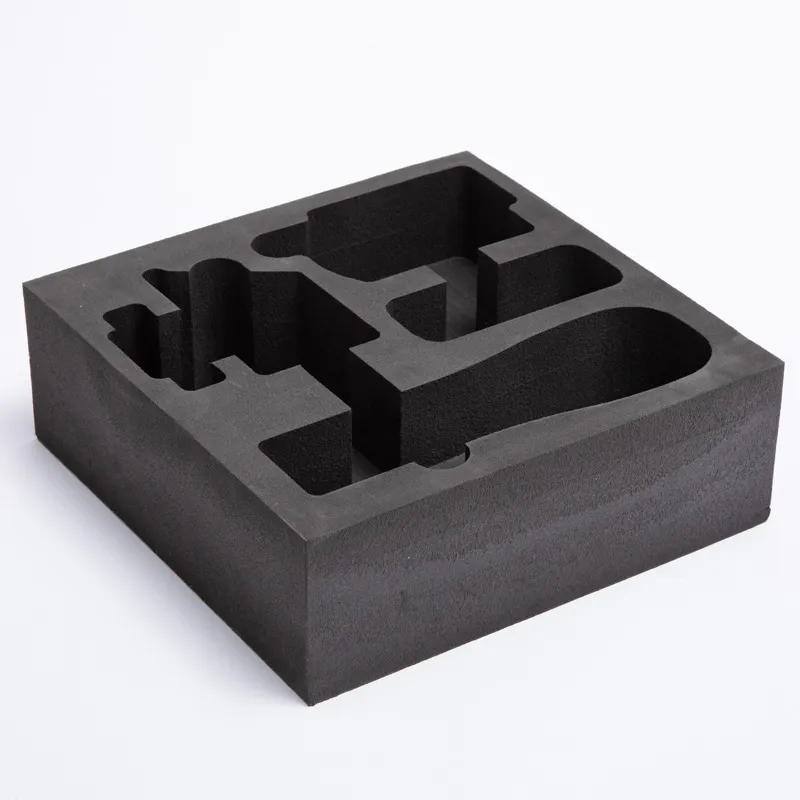
Custom-cut inner molds hold complex components securely.
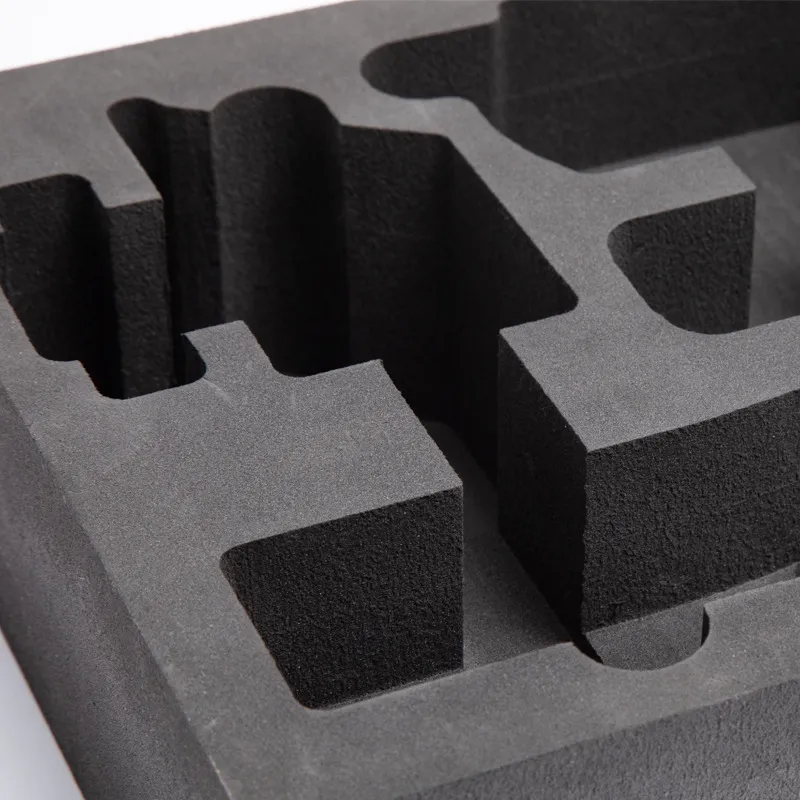
Gift box inserts are carved with tight tolerances.
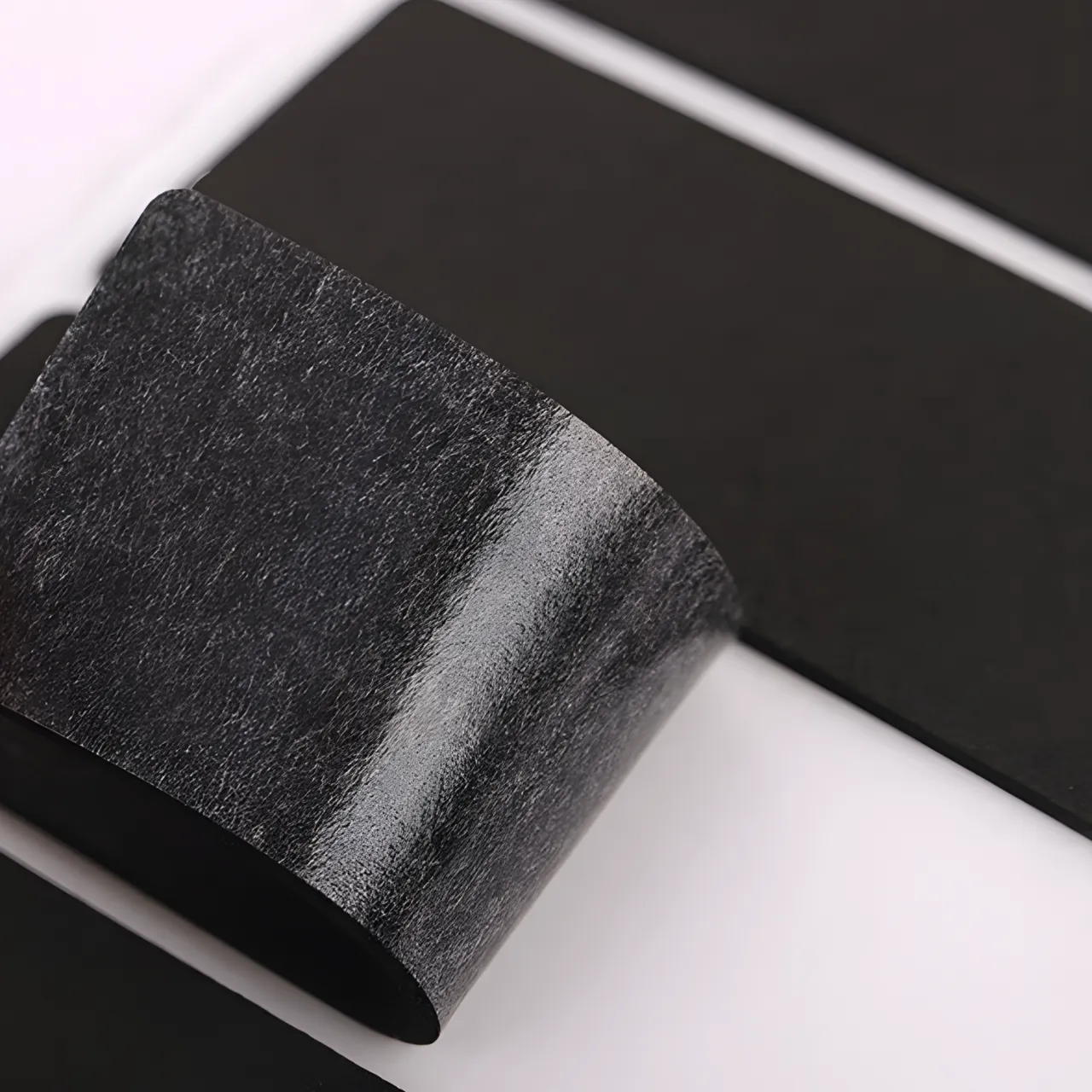
Adhesive backed EVA foam streamlines rapid assembly and bonding.
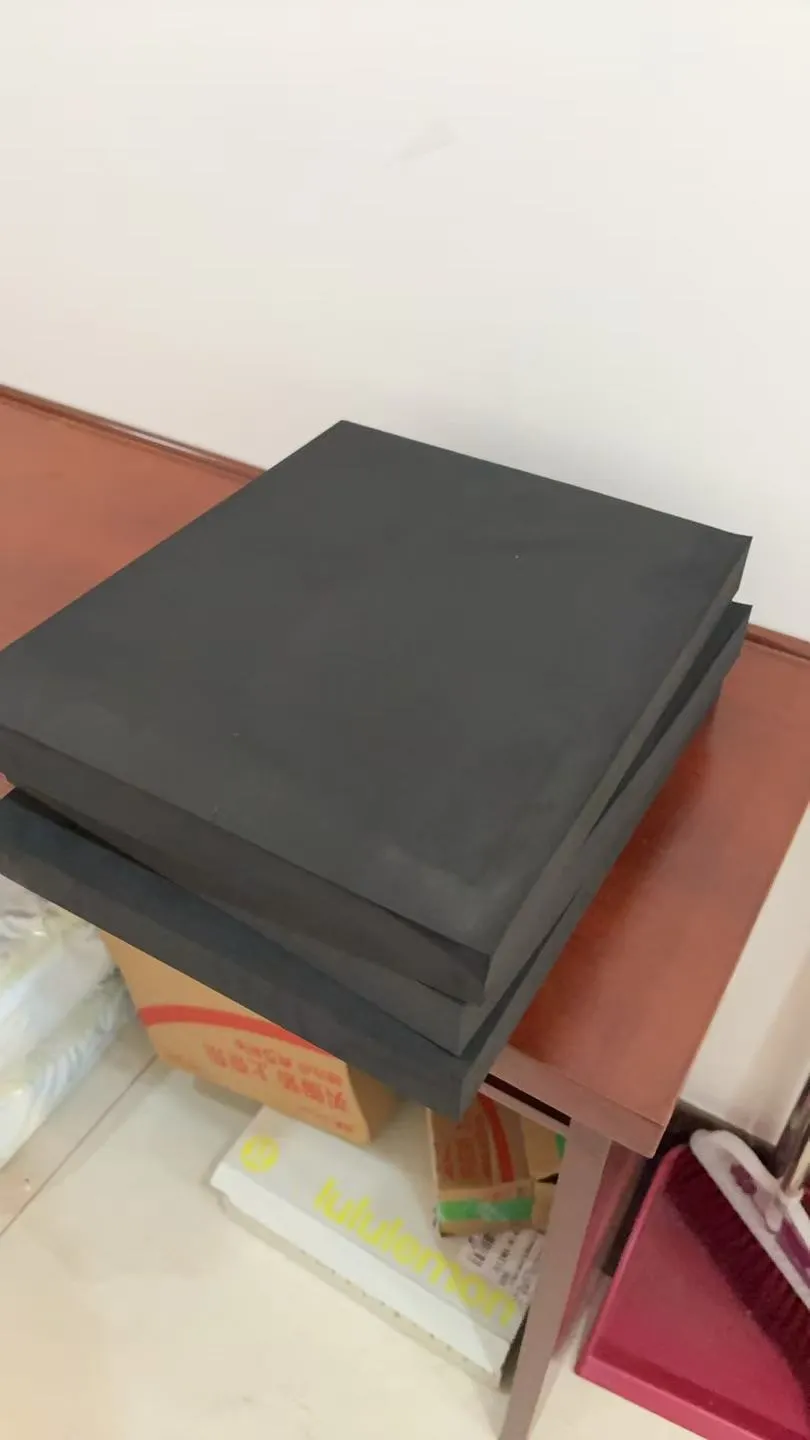
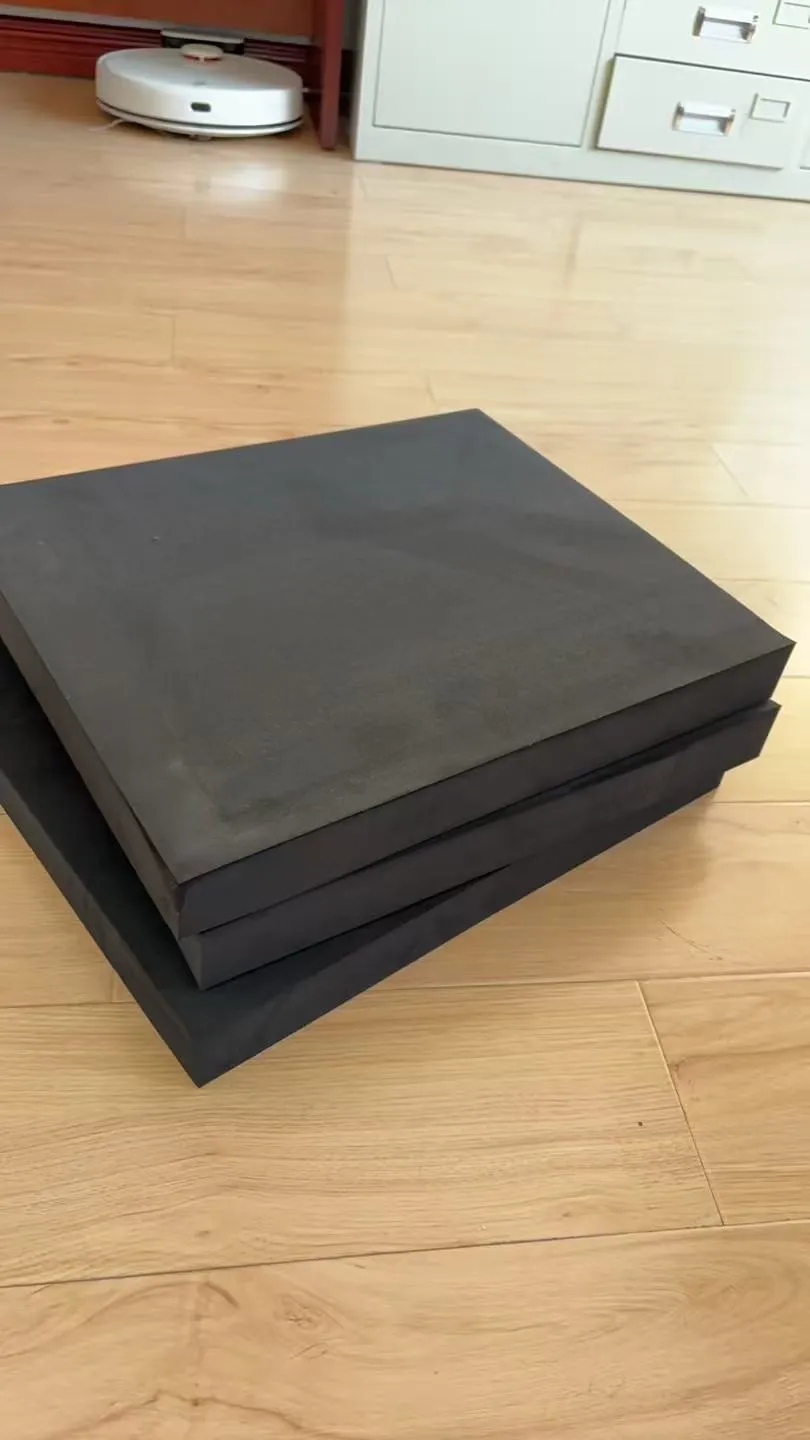
Consistent sheet stock across densities and colors.
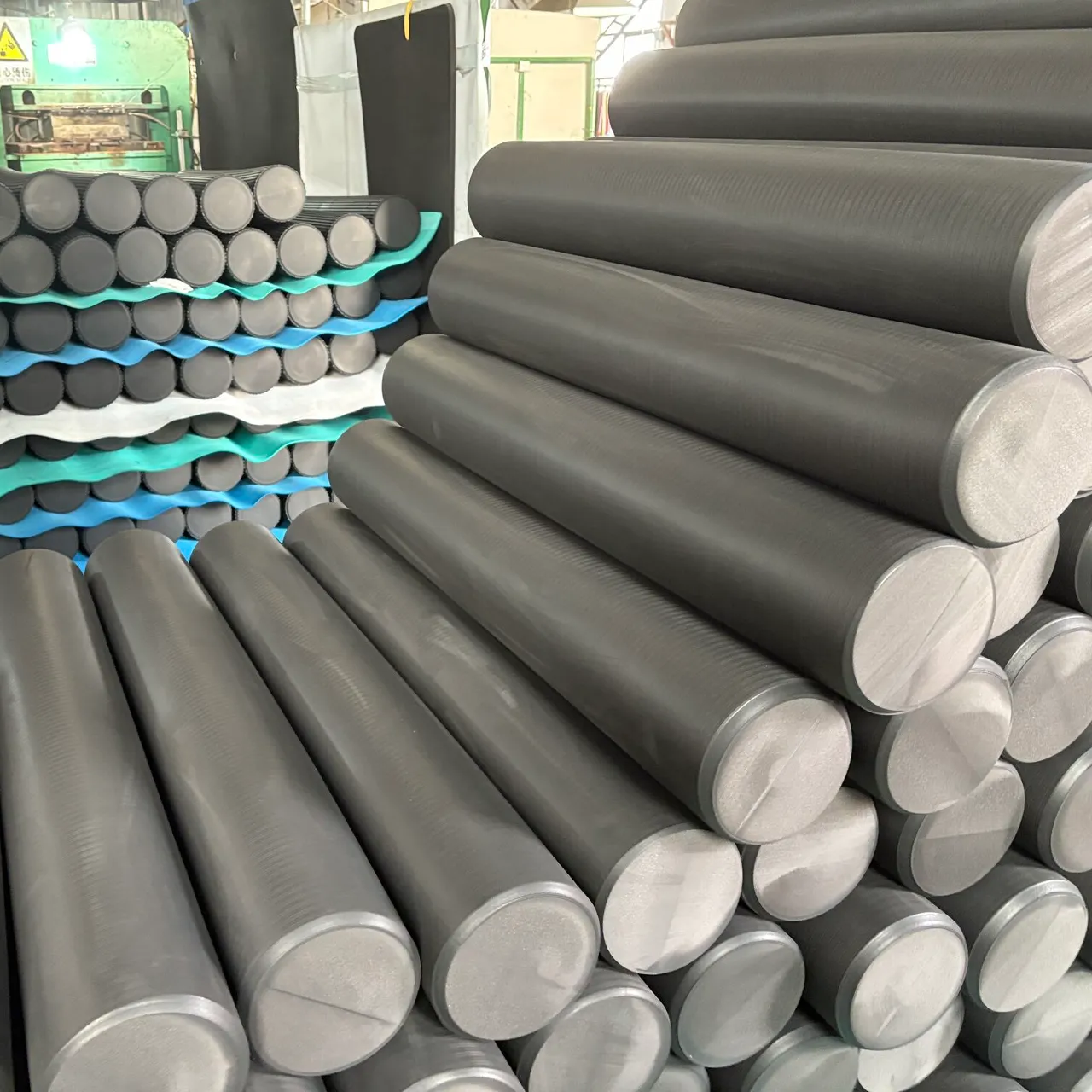
Long-length EVA foam rolls prepared for die-cutting.
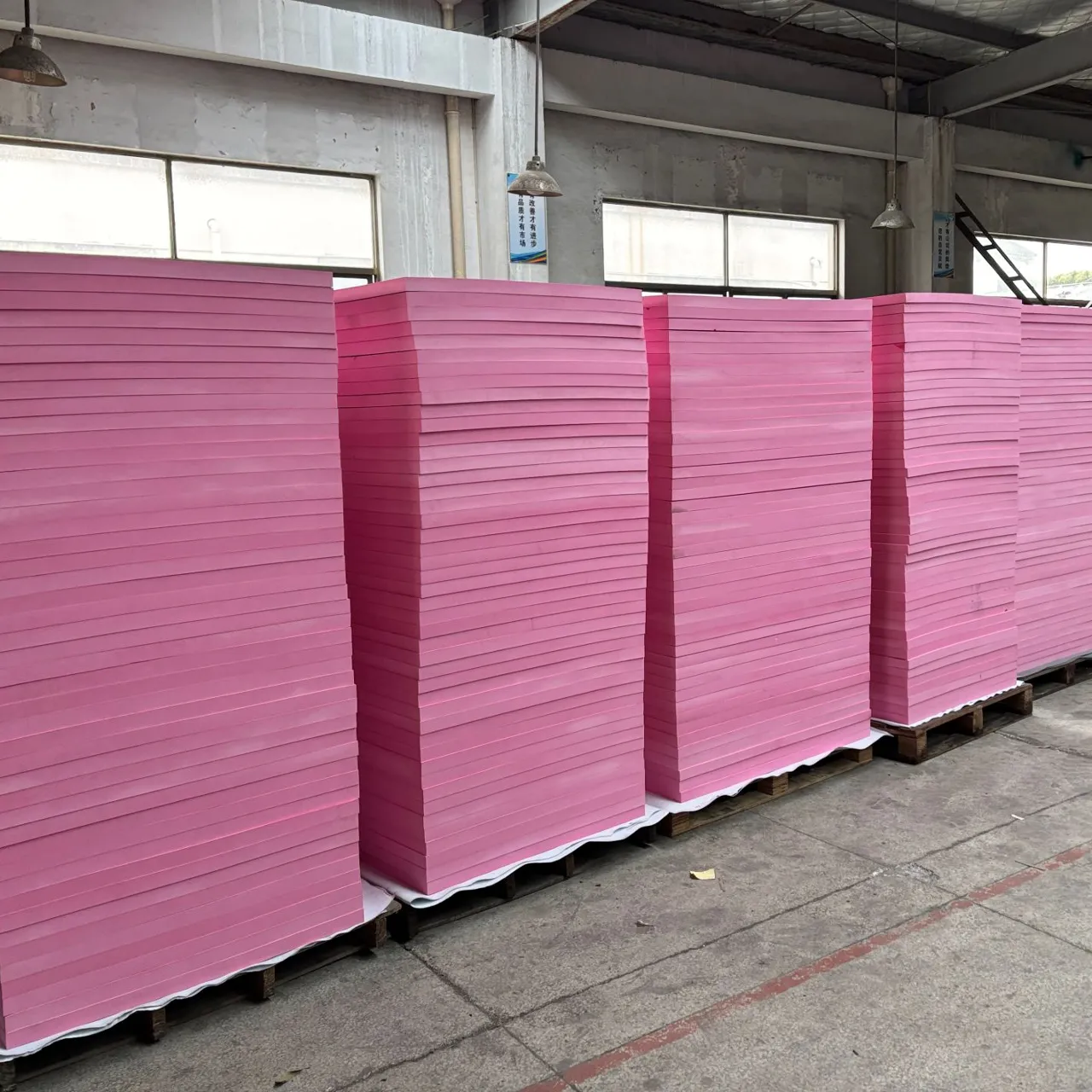
Aesthetic flexibility for brand-centric builds.
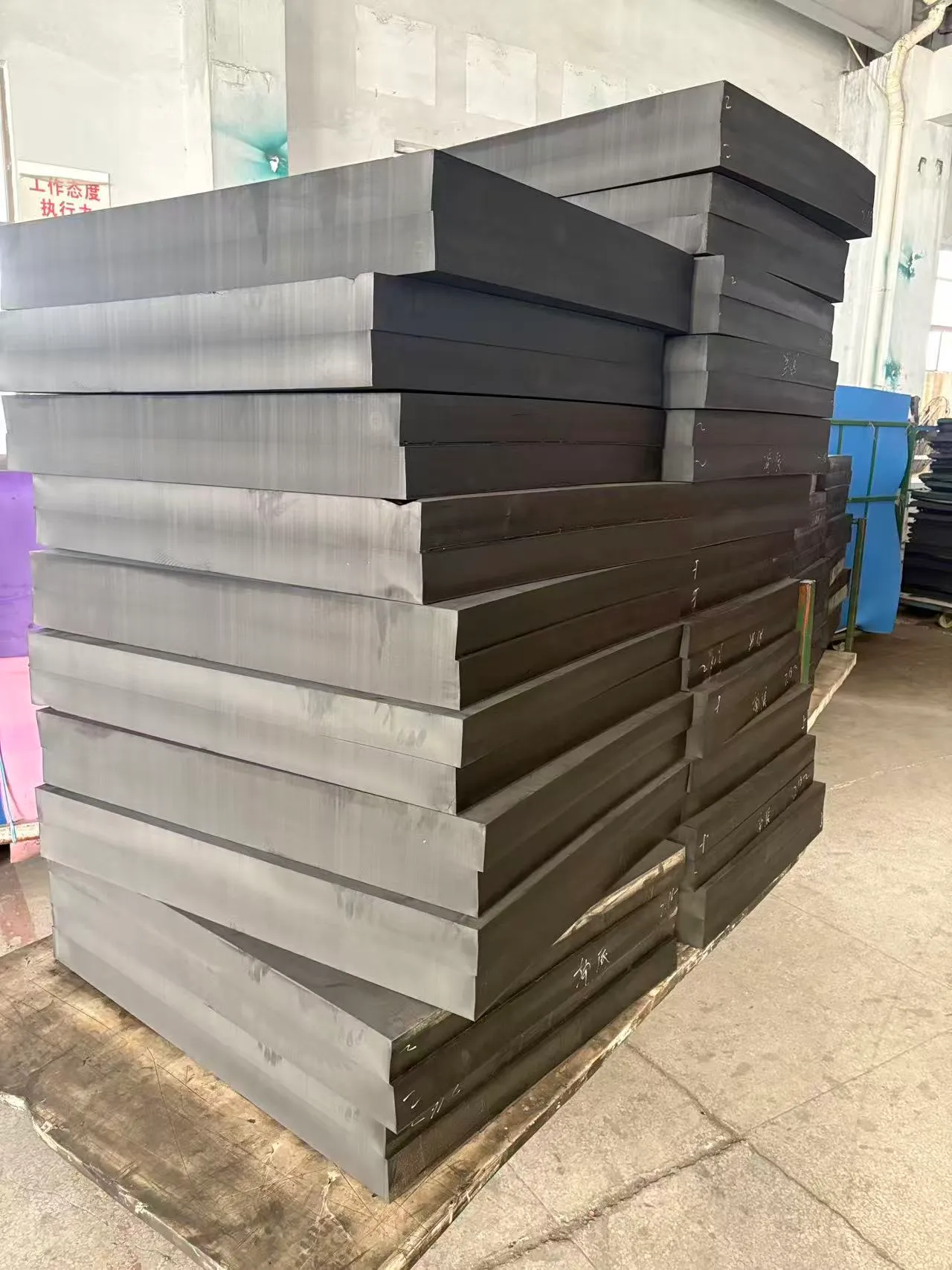
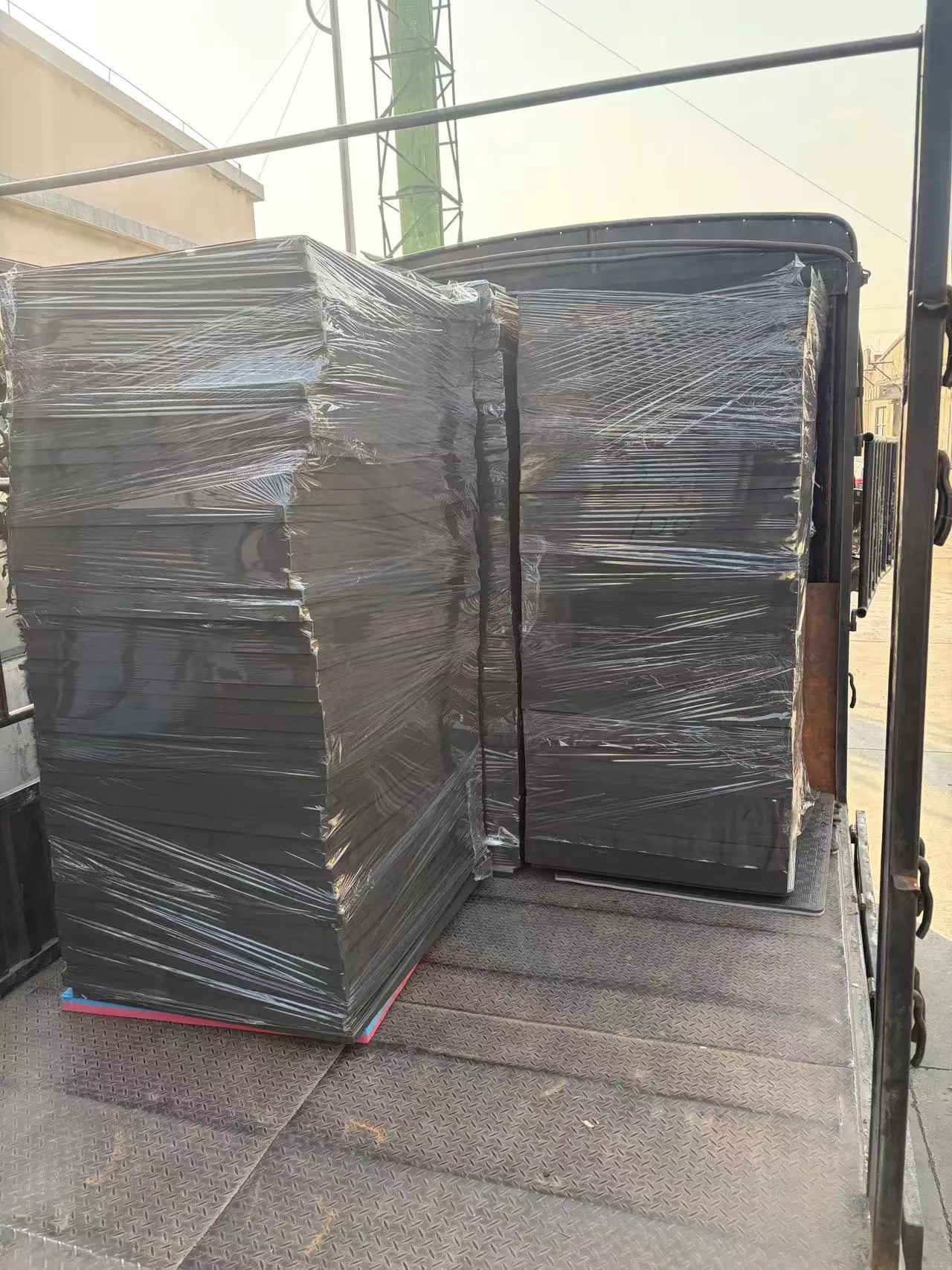
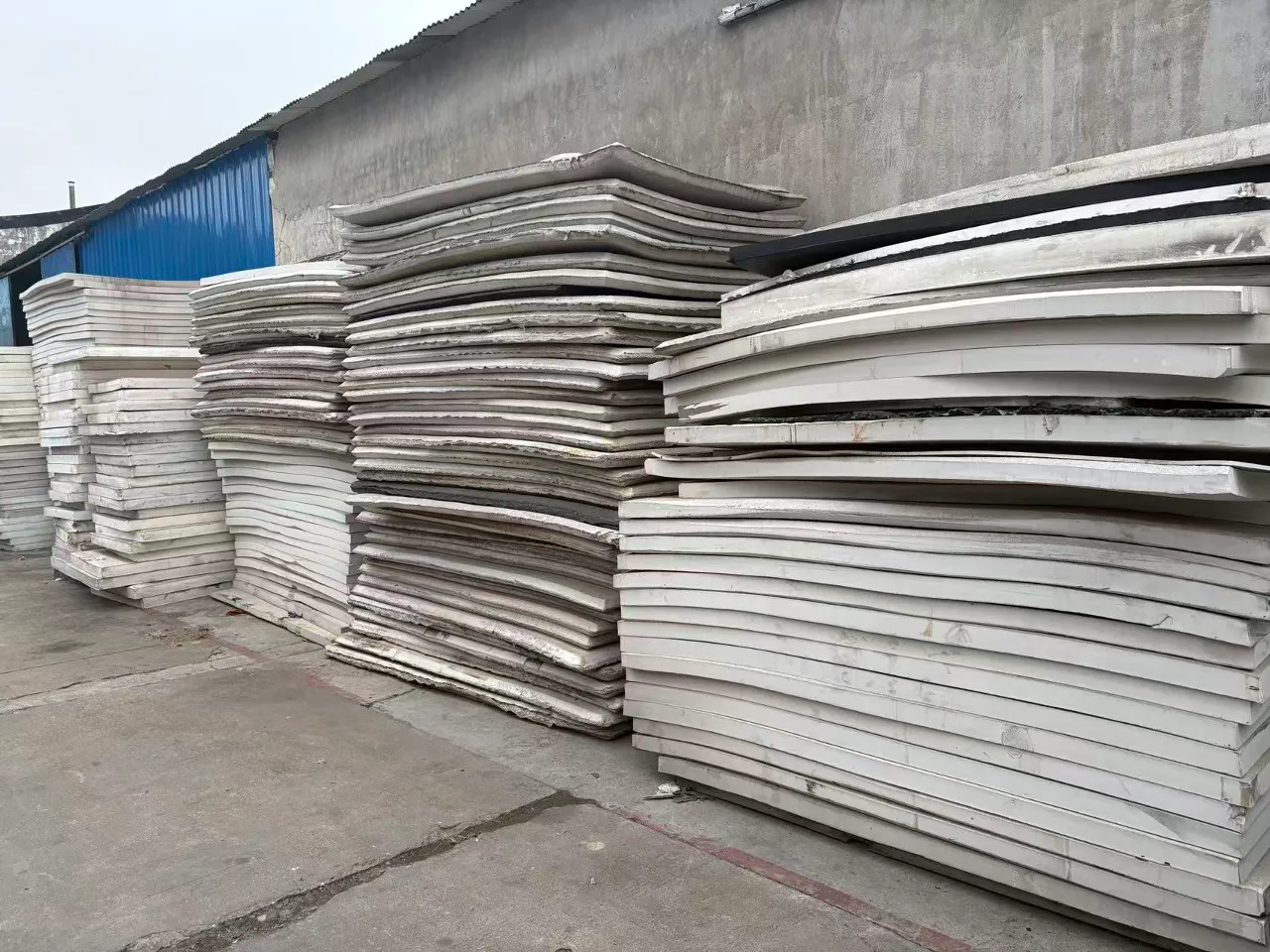
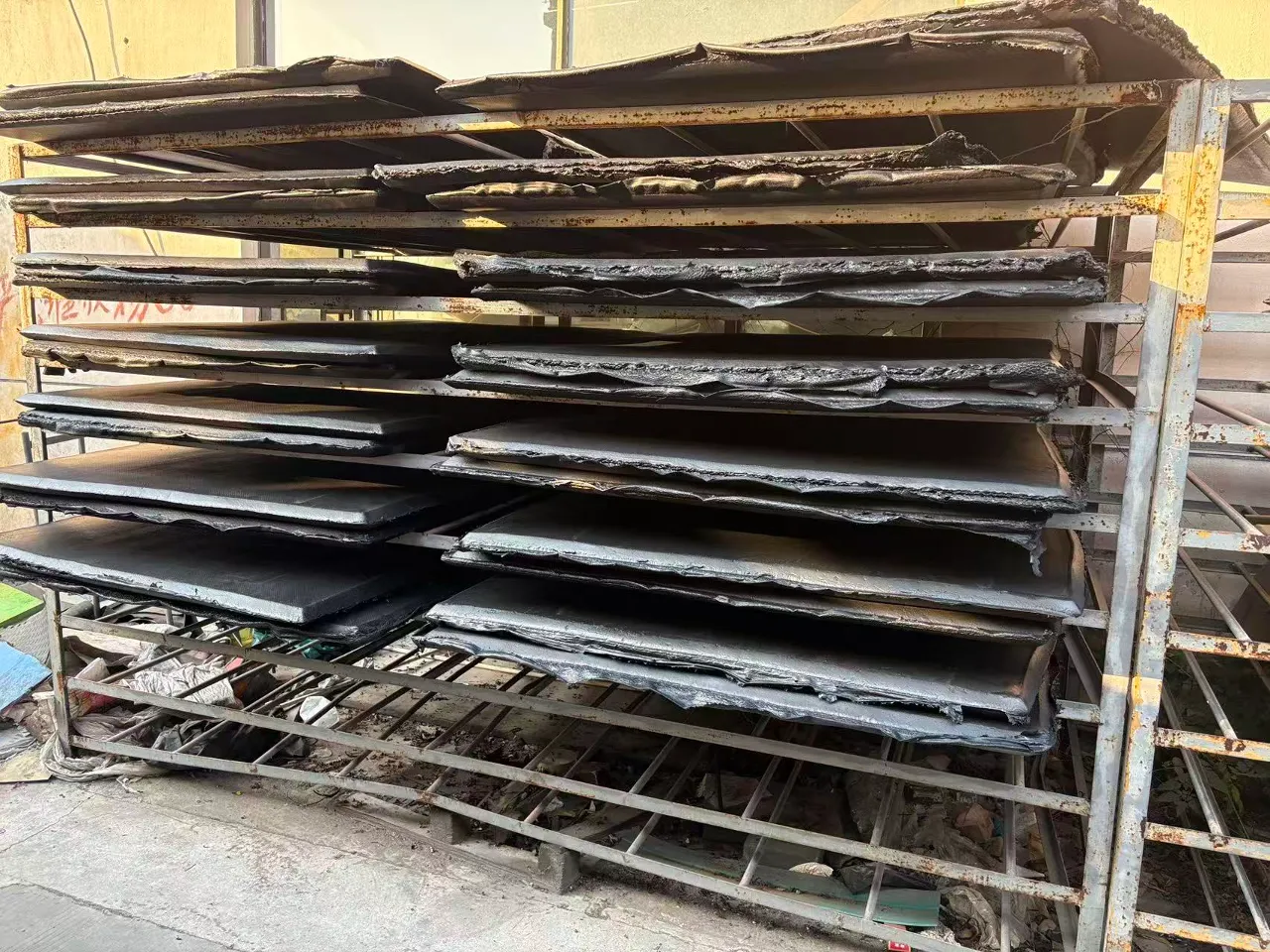
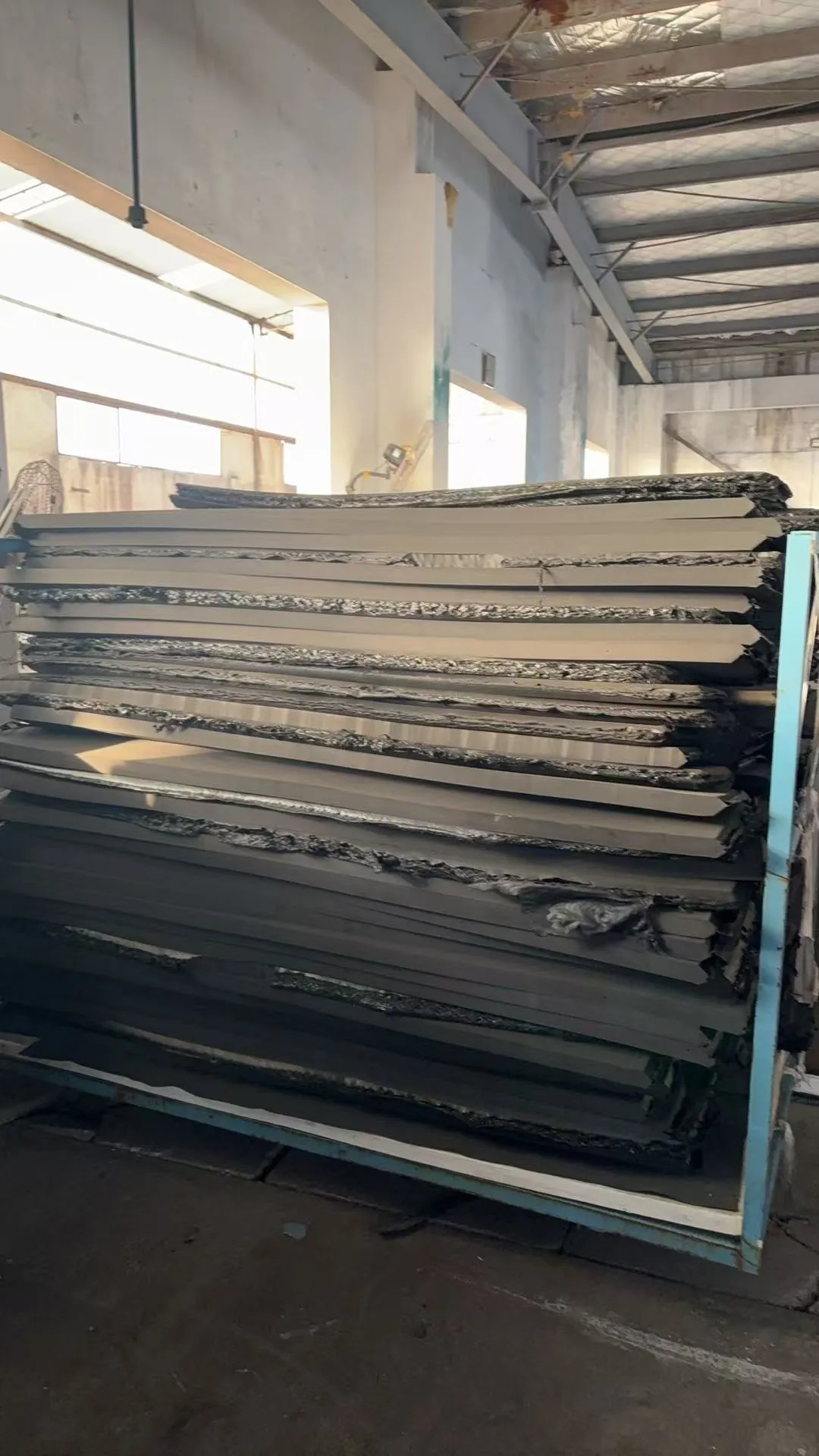
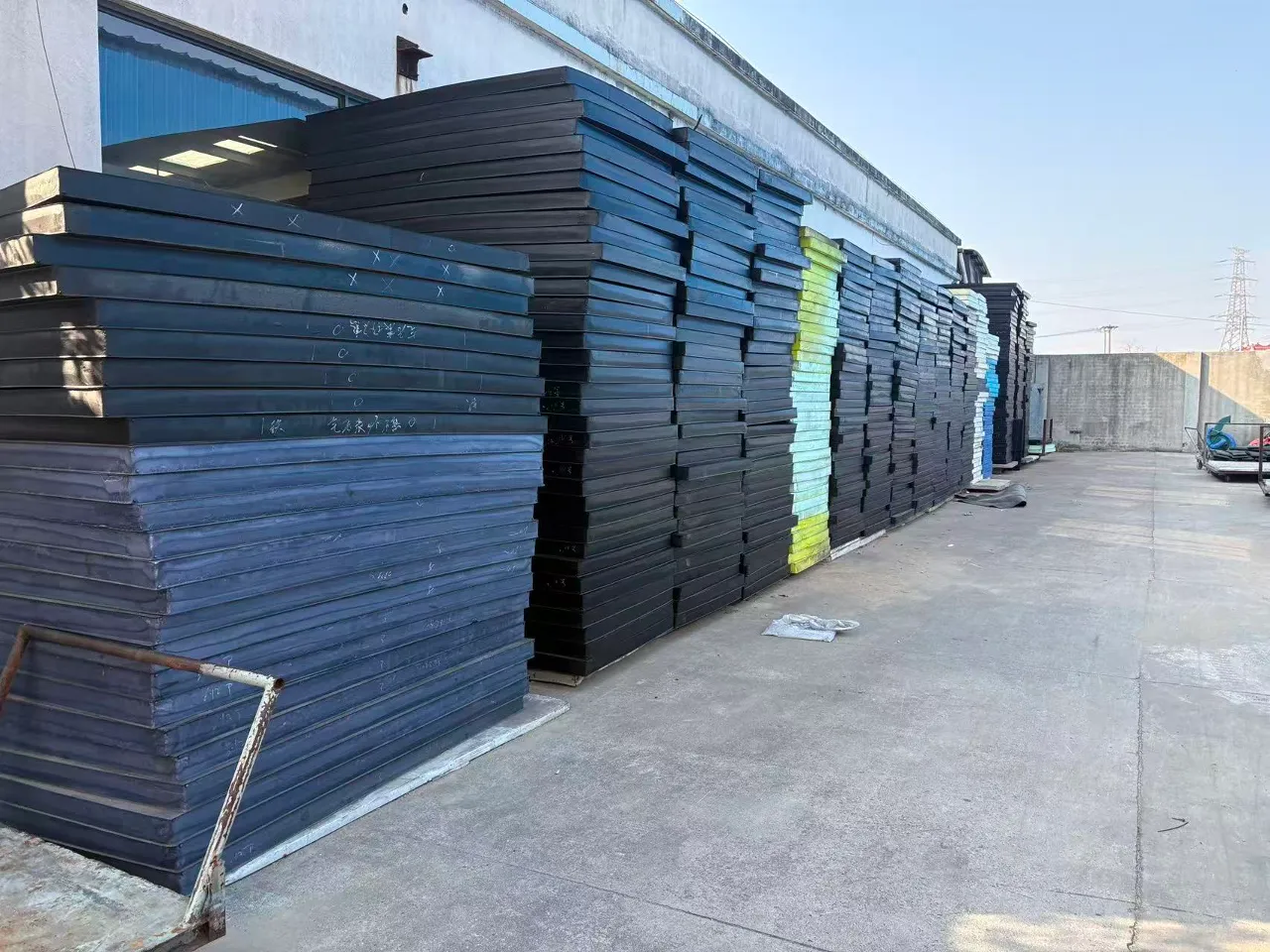
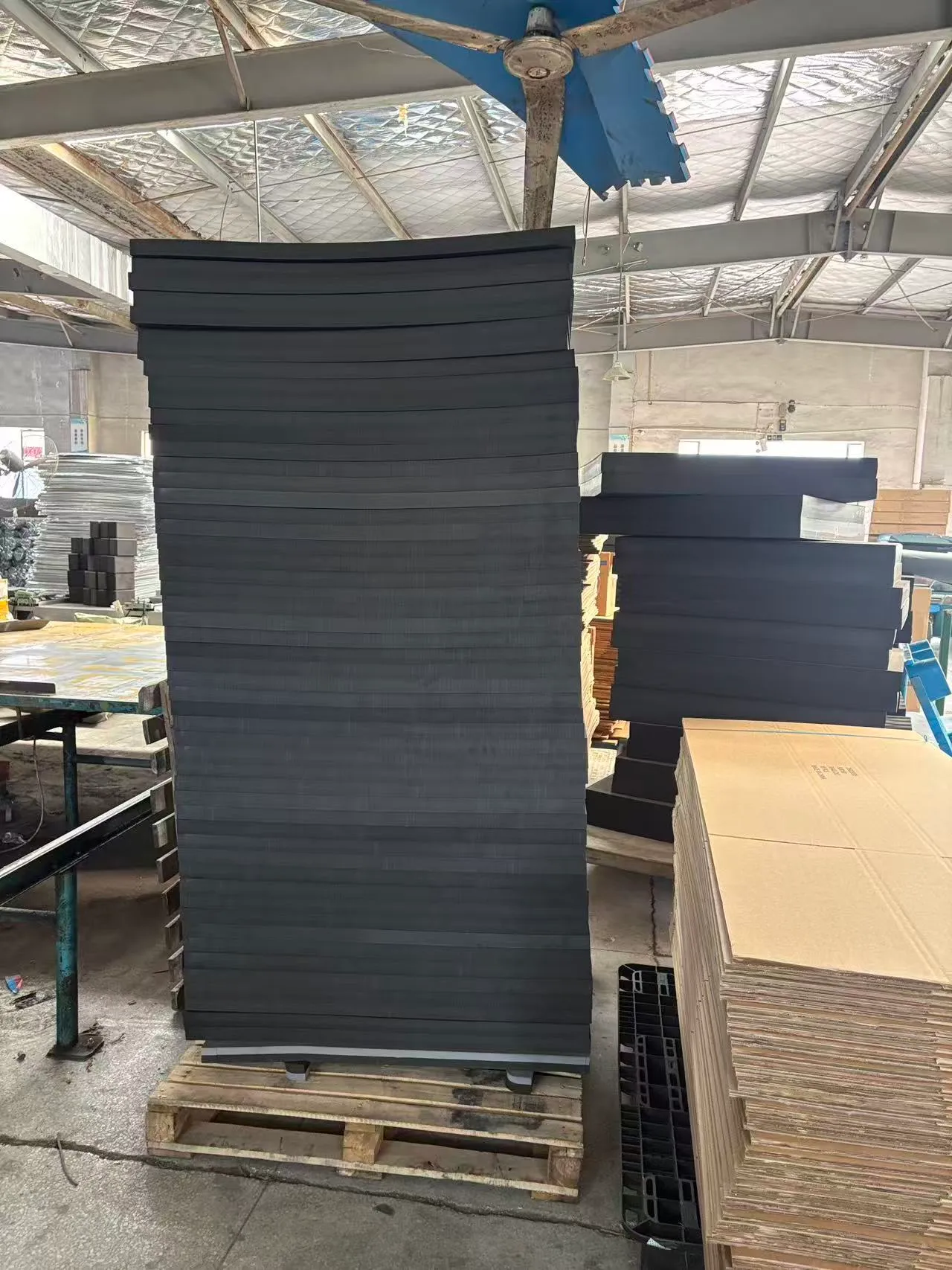
EVA Foam Manufacturing & Factory Tour
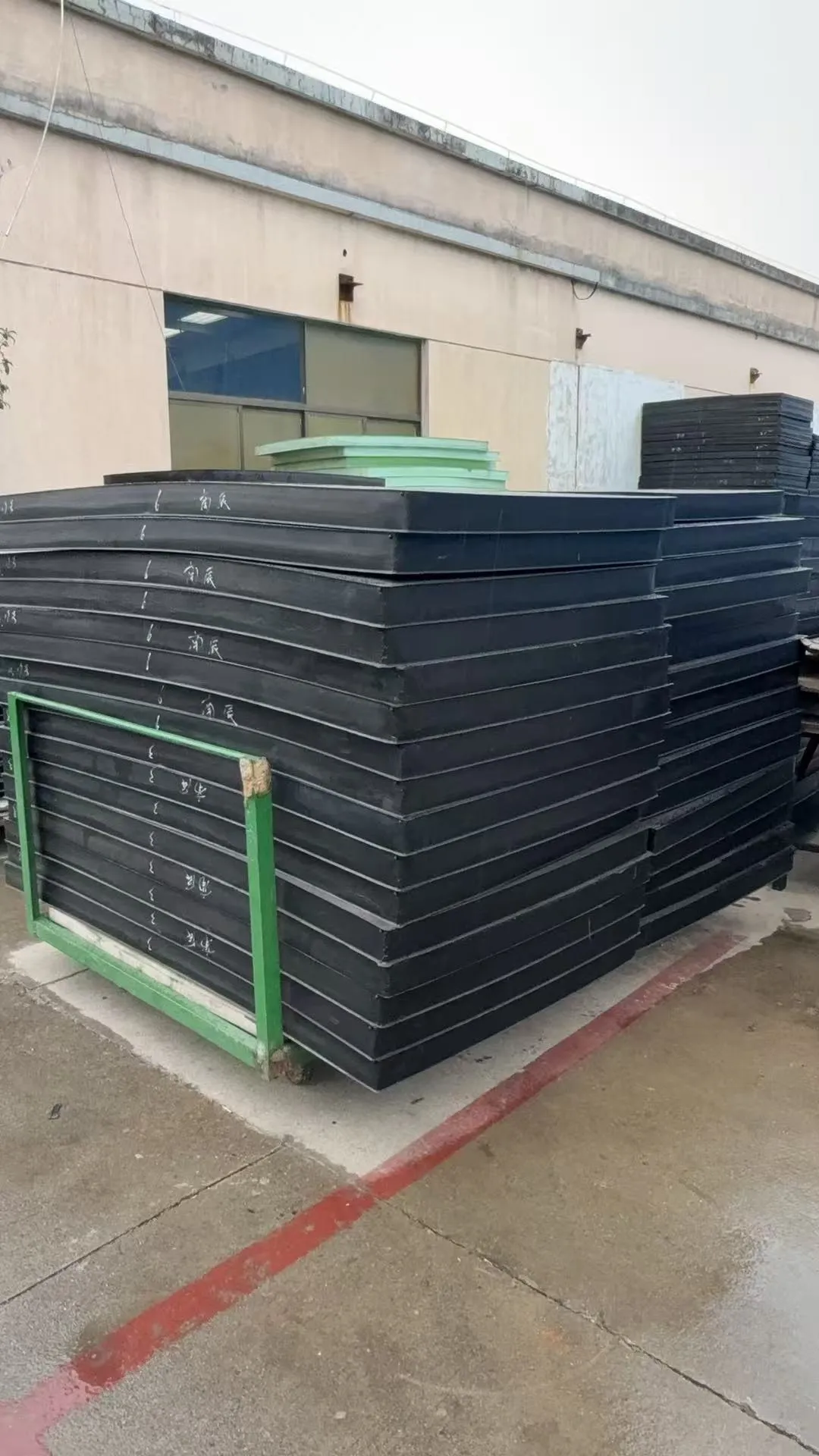
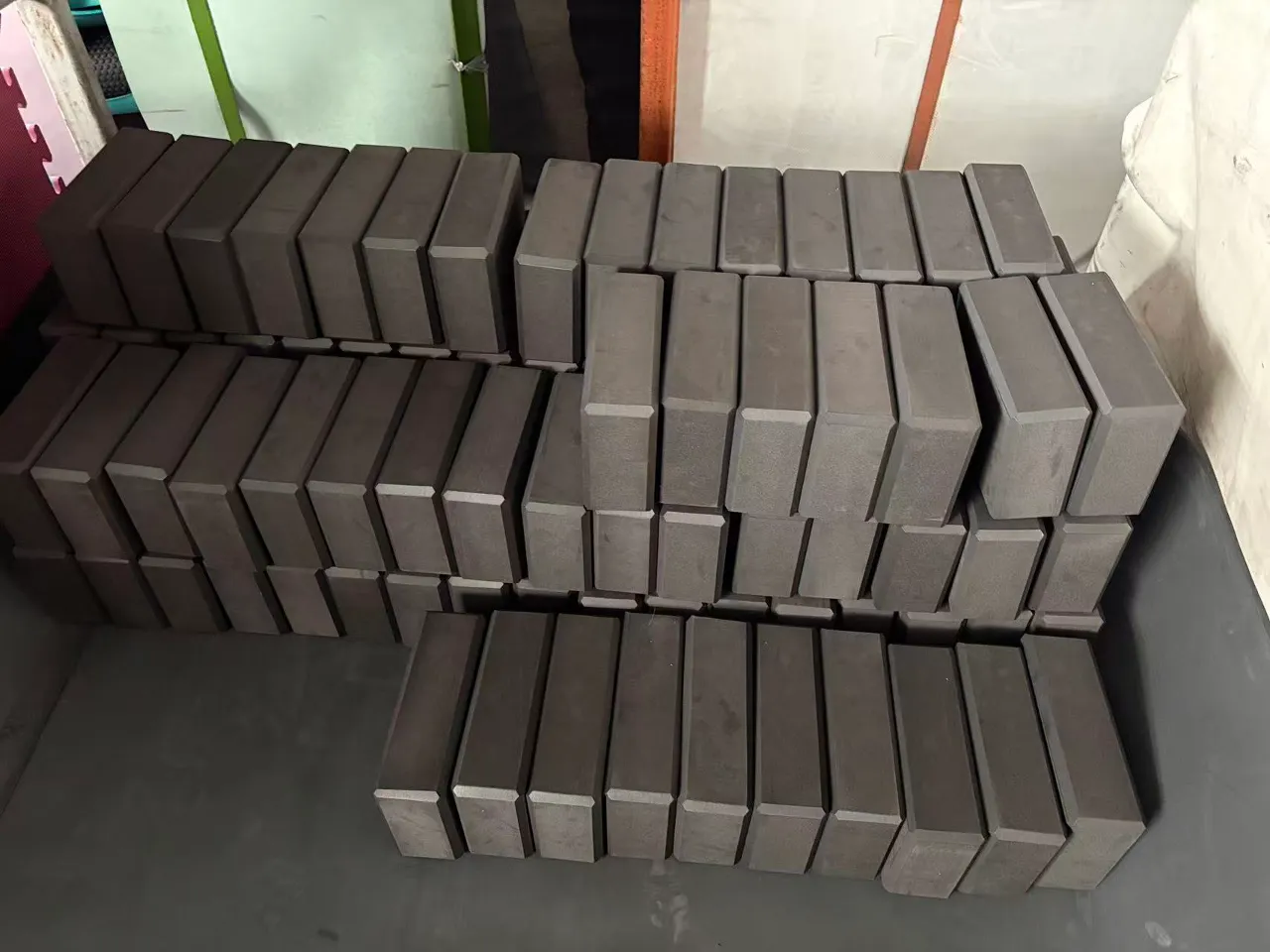
Take a virtual tour of our EVA foam manufacturing facility and warehouse inventory, showcasing large-scale foam slab production, high-capacity staging, and direct OEM supply.
EVA Foam in Production
Frequently Asked Questions
Technical Specs
Core technical parameters and performance indicators for precision EVA foam production.
- Density Range 30–250 kg/m³
- Thickness Range 1–100 mm+
- Hardness (Shore C) 15–80
- Supply Formats Sheets, Rolls, Blocks & Parts
- Colors Black, White & Custom Pantone
- Finishing PSA, Lamination, Embossing & Cutting