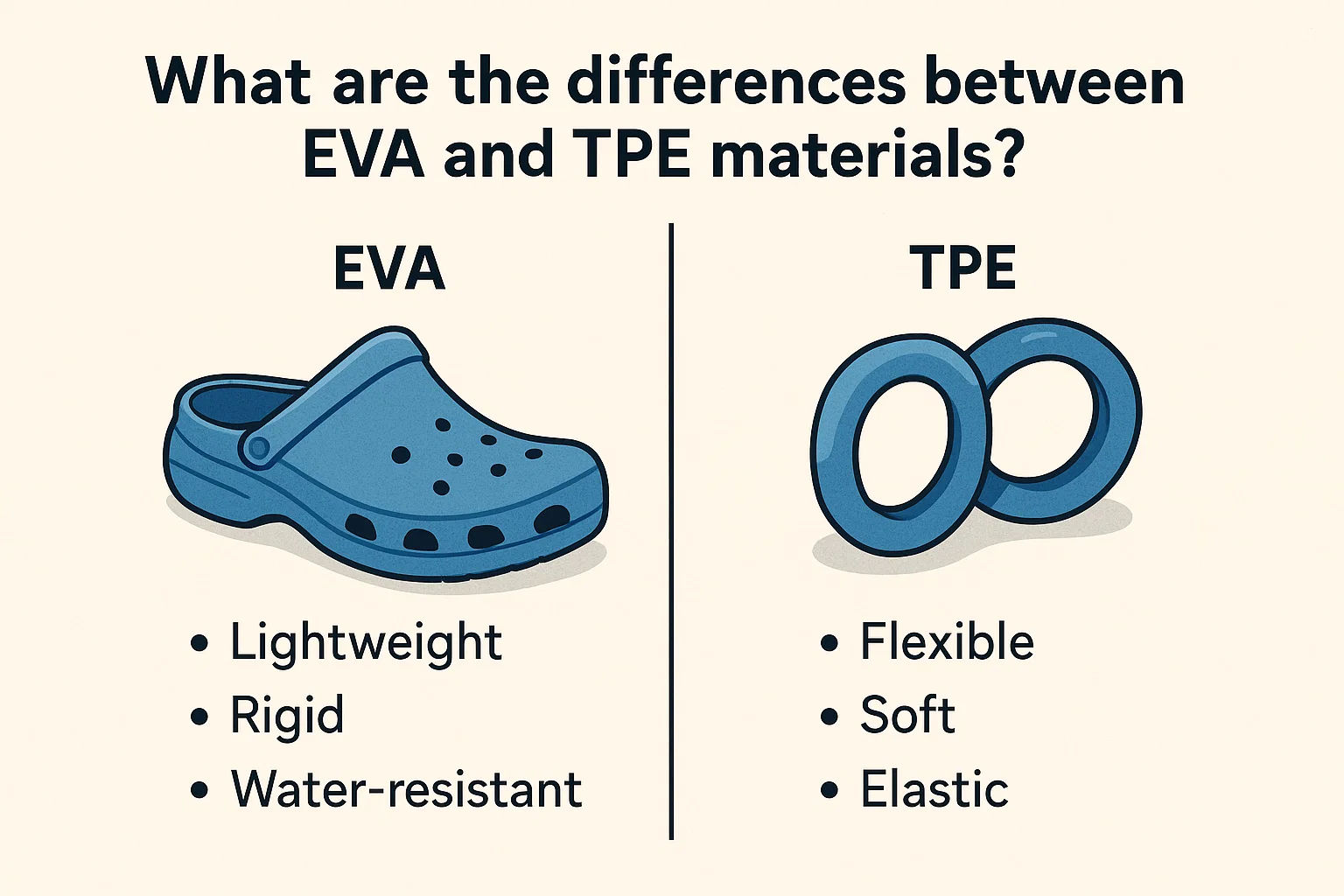
EVA vs. TPE: Which Material is Best for Your Next Project?
Choosing the right material can make or break your product’s performance, durability, and market appeal. In the world of polymers, EVA (Ethylene Vinyl Acetate) E TPE (Thermoplastic Elastomer) are two of the most popular contenders. But which one truly aligns with your specific needs?
Quick Summary: The Core Difference
The primary difference lies in their chemical versatility and sustainability. While EVA is a foam-based polymer championing superior shock absorption and cost-effectiveness, TPE is a sophisticated blend of rubber and plastic that offers higher durability, better UV resistance, and full recyclability. If you need maximum cushioning, choose EVA; if you prioritize longevity and eco-friendliness, TPE is the superior choice.
Understanding the Materials: A Deep Dive
What is EVA?
EVA is an elastomeric polymer that produces materials which are “rubber-like” in softness and flexibility. It is the industry standard for lightweight cushioning.
Ideale per: Footwear midsoles, protective sports gear, and budget-friendly yoga mats.
What is TPE?
TPE is a high-performance material that combines the easy processing of plastics with the elasticity of rubber. It is often referred to as “green rubber.”
Ideale per: High-end eco-friendly yoga mats, medical tubing, and automotive seals.
Key Comparison Factors
1. Durability & Resilience
When it comes to “memory” and long-term use, TPE takes the lead. TPE products maintain their shape even after repeated stretching or compression. Furthermore, TPE offers exceptional resistance to UV rays and chemicals, making it suitable for outdoor environments where EVA might degrade or harden over time.
2. Environmental Impact (E-E-A-T Focus)
As sustainability becomes a decisive factor for modern buyers, understanding the life cycle of your material is crucial.
- TPE: 100% Recyclable. It can be melted down and reused, significantly reducing the carbon footprint.
- EVA: Harder to recycle. Most EVA foam products end up in landfills at the end of their life cycle.
3. Performance & Texture
Il TPE generalmente fornisce un presa superiore (superfice anti-scivolo) anche quando bagnato, motivo per cui tappeti da yoga di alta qualità preferiscono il TPE. L'EVA, pur essendo estremamente morbida, può diventare scivolosa quando esposta al sudore o all'umidità, anche se l'assorbimento di shock per millimetro è spesso superiore a quello del TPE.
Vantaggi e svantaggi: Confronto diretto
Vantaggi del TPE
- Eco-compatibile e riciclabile
- Eccellente resistenza agli UV e alle condizioni atmosferiche
- Grado di aderenza anti-scivolo superiore
- Elasticità e recupero maggiori
Svantaggi del TPE
- Costo dei materiali grezzi più alto
- Può essere più pesante dell'EVA a bassa densità
Vantaggi dell'EVA
- Ultra-leggero
- Assorbimento di shock eccezionale
- Molto efficace dal punto di vista economico
- Resistente all'acqua (cellula chiusa)
Svantaggi dell'EVA
- Difficile da riciclare
- Resistenza inferiore al calore/UV
- Può “sprofondare” nel tempo
Tabella di Specifiche Tecniche
| Caratteristica | Materiale EVA | Materiali TPE |
|---|---|---|
| Flessibilità | Morbido e imbottito | Molto elastico e estensibile |
| Durata | Moderato | Alto (Resistente all'invecchiamento) |
| Riciclabilità | Basso | Alto (Eco-compatibile) |
| Resistenza chimica | Buono | Eccellente |
| Costo tipico | Economico | Premium / Mid-range |
Guida alla decisione strategica: quale scegliere?
Scegli EVA se: Stai progettando prodotti dove il comfort leggero e l'efficienza dei costi sono le priorità principali, come imballaggio monouso, calzature casuali o giocattoli per bambini.
Scegli TPE se: Se ti rivolgi al mercato premium, dove la sostenibilità, le proprietà cutaneamente amichevoli e la durabilità a lungo termine in condizioni severe sono non negoziabili.
Non sei sicuro quale grado sia giusto per la tua applicazione? Il nostro team di ingegneria può fornire un'analisi di materiale personalizzata per ottimizzare le prestazioni del tuo prodotto.
Ottenere una Consulenza Professionale sui MaterialiNota sull'esperienza: questa comparazione si basa sui gradi industriali standard. Le proprietà specifiche possono essere modificate durante il processo di compounding per soddisfare requisiti su misura.