TPUグローブとニトリルグローブ:あなたのビジネスにとってどちらが最適ですか?
In professions where safety, hygiene, and precision are paramount, the choice of disposable gloves is a critical decision. For years, nitrile has been a go-to material, but a more advanced contender, Thermoplastic Polyurethane (TPU), is rapidly gaining recognition for its superior qualities. For procurement managers and industry professionals, understanding the nuanced differences between these materials is key to ensuring operational efficiency, worker safety, and cost-effectiveness.
This comprehensive guide, brought to you by the experts at Damao Tec, will delve into a detailed comparison of TPU and nitrile gloves, helping you determine which is the optimal solution for your business needs.
Understanding the Contenders: What Are TPU and Nitrile Gloves?
Before a direct comparison, it’s essential to understand the materials themselves.
What are Nitrile Gloves?
Nitrile gloves are made from a synthetic rubber copolymer called Nitrile Butadiene Rubber (NBR). They emerged as a popular alternative to latex, primarily to address issues with latex allergies. Known for their strength and chemical resistance, nitrile gloves have become a staple in medical, industrial, and food service environments.
それでは、TPU Glovesとは何ですか?
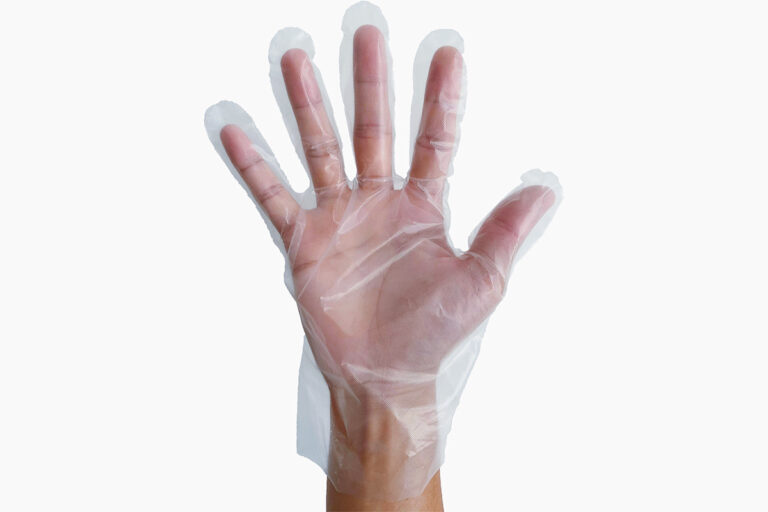
Thermoplastic Polyurethane (TPU) is a unique class of polymer that effectively bridges the gap between rubber and plastic. This results in a material that is exceptionally elastic, durable, and smooth to the touch. Disposable TPU gloves are an innovative hand protection solution, offering a blend of comfort, resilience, and safety that often surpasses traditional glove materials. Damao Tec has been at the forefront of harnessing this technology to produce high-performance protective gear.
A Head-to-Head Comparison: Damao Tec’s In-Depth Analysis
Choosing the right glove requires a careful evaluation of various performance factors. Here’s how TPU and nitrile stack up against each other.
Elasticity, Comfort, and Fit
Nitrile: Nitrile gloves are known for providing a snug fit, which allows for good dexterity. However, they are less flexible than natural rubber latex. While manufacturing techniques have improved their comfort, prolonged wear can sometimes lead to hand fatigue.
TPU: This is where TPU truly excels. TPU gloves are renowned for their superior elasticity and soft, supple feel, offering a comfortable fit that mimics a second skin. This high level of flexibility ensures that users can perform precise and delicate tasks without any restriction in movement, making them exceptionally comfortable for extended wear.
Durability and Puncture Resistance
Nitrile: A key advantage of nitrile is its excellent puncture resistance, which is often cited as being three to five times higher than latex. This makes nitrile gloves a robust choice for tasks involving sharp objects or where tear resistance is a priority, such as in medical or mechanical fields.
TPU: TPU gloves offer remarkable resilience and are highly resistant to abrasions, tears, and punctures. Despite their lightweight and flexible nature, their inherent toughness often meets or even exceeds that of some nitrile grades in specific scenarios. This durability means fewer glove changes are needed during rigorous tasks, enhancing both safety and efficiency.
Chemical Resistance: Protecting Your Hands
Nitrile: Nitrile boasts strong resistance to a broad spectrum of chemicals, particularly oils, acids, fuels, and solvents. This makes nitrile a reliable barrier in laboratory settings, automotive maintenance, and when handling many common cleaning agents.
TPU: TPU also provides good resistance against many common oils, greases, and certain solvents. While nitrile may have an edge against a wider range of aggressive chemicals, TPU offers dependable protection for many applications in the food processing, manufacturing, and janitorial industries. For specific chemical compatibility, it’s always best to consult the manufacturer’s guidelines.
Hypoallergenic Properties and Skin Sensitivity
Nitrile: As a synthetic material, nitrile is free from latex proteins, making it an excellent choice for individuals with Type I latex allergies. However, some nitrile gloves contain chemical accelerators, used during the vulcanization process, which can cause Type IV allergic contact dermatitis in a small percentage of users.
TPU: TPU gloves are a genuinely hypoallergenic solution. They are inherently free from latex proteins and do not require the same plasticizers (like phthalates) or chemical accelerators found in vinyl and some nitrile gloves. This makes them an exceptionally safe choice for users with sensitive skin or those prone to allergies.
The Environmental Footprint: A Greener Alternative?
Nitrile: Standard nitrile gloves are derived from petroleum, a non-renewable resource, and are not biodegradable, taking hundreds of years to break down in a landfill. While nitrile is technically recyclable, it requires specialized recycling programs that are not widely accessible and cannot be mixed with general recycling. Contaminated gloves, especially in medical settings, cannot be recycled at all.
TPU: This is a significant point of differentiation. Many TPU materials are designed to be biodegradable, capable of breaking down in just 3 to 5 years under the right landfill conditions. Furthermore, as a thermoplastic, TPU is often recyclable and can be reprocessed without significant loss of structural integrity. The production of TPU can also be more energy-efficient compared to other plastics. For businesses focused on sustainability, TPU gloves from providers like Damao Tec present a much more eco-friendly option.
Cost-Effectiveness: A Long-Term Perspective
Nitrile: Nitrile gloves generally offer a good balance of cost and performance. While their price can be more volatile than vinyl due to raw material costs, they are a durable and reliable option for many industries.
TPU: Initially, the cost of TPU gloves may be higher than some nitrile alternatives. However, their superior durability can lead to fewer gloves being used over time, reducing overall consumption and waste. When factoring in the benefits of enhanced comfort, safety, and sustainability, TPU gloves often represent a greater long-term value.
Industry-Specific Recommendations: The Right Glove for the Job
最適な手袋の選択は、業界の特定の要望に依存します。.
食品・飲食業界
TPUとニトリル手袋は、食品処理に適しており、通常は食品安全認証(例:英国ではEN1186に基づく)を受けています。.
- ニトリル TPUは、動物脂肪や油に対する耐性により、人気の選択肢です。.
- TPU gloves, ニトリル手袋は、プラスチック化剤がなく、匂いもないため、徐々に好まれる選択肢となっています。その優れた靭性は、複雑な食品調理作業に大いに役立ちます。.
医療・看護環境
非滅菌検査の場合、両方の素材も効果的です。.
- ニトリル TPUは、高剛性と血行性病原体に対する確かなバリア保護性能により、医療環境で広く使用されています。医療グレードのニトリル手袋は、FDAなどの規制機関が定める厳格な基準を満たす必要があります。.
- TPU ニトリル手袋は、特にアレルギーと皮膚の過敏性が懸念されるシナリオでは、優れた選択肢です。長時間手袋を着用する医療従事者にとって、その快適性は大きな利点です。.
美容、サロン、およびタトゥーショップの応用分野
この分野では、衛生と化学保護が重要です。.
- ニトリル TPUは、ヘアカラー、溶剤、その他の美容製品に含まれる化学物質に対する強度と耐性により、多くの美容専門家のトップ選択肢です。その刺し割れ抵抗性も、タトゥーアーティストにとって不可欠です。.
- TPUの TPUの柔軟性、耐久性、アレルギー性のない性質の組み合わせにより、強力な新たな有力候補となっています。マニキュアや美容処理のような精密作業に必要な靭性を提供し、同時に肌を保護します。.
なぜダマオテックで手袋のソリューションを選ぶか?
ダマオテックでは、保護手袋の革新と卓越性にコミットしています。現代産業の多様化するニーズと、性能と持続可能性の重要性の増加を認識しています。私たちの製品ラインナップの disposable TPU gloves 最適なソリューションを提供し、安全性を高め、ユーザーの快適性を向上させ、そしてお客様の環境目標をサポートします。ダマオテックを選ぶことで、先進的な企業とパートナーシップを結び、高品質で信頼性があり、責任感のある製品を提供するに専念する企業と協力することになります。.
常に質問(FAQ)
1. アレルギーを持つ人にとって、TPU手袋は完全に安全ですか?
はい、TPU手袋はアレルギー患者にとって優れた選択肢です。彼らは、I型アレルギーを引き起こすラテックス蛋白質から自然に無く、また、ニトリル手袋に含まれる化学促進剤(IV型皮膚炎を引き起こす可能性があるもの)を通常は含まないため、非常にアレルギー性の低いオプションです。.
2. TPUとニトリル手袋を標準のリサイクル箱に入れることはできますか?
いいえ。どちらの手袋タイプも標準のリサイクル箱に入れるべきではありません。ニトリル手袋は、素材構成により専門的なリサイクル施設が必要です。TPUの一部はリサイクル可能ですが、適切な施設に送る必要があります。特に、食品、化学物質、または生物学的な物質に汚染された手袋は、地方の廃棄規制に従って処分する必要があります。.
3. TPU手袋はニトリル手袋と同じくらい強いですか?
TPU手袋は驚くほど強く耐久性があり、裂けやすさや摩耗に対する高い抵抗性があります。非常に高リスクの作業に優れた刺し割れ抵抗性を提供する重厚なニトリル手袋はありますが、TPU手袋は幅広いアプリケーションに十分な強度を提供し、標準のニトリルグレードを上回る場合もあります。.
4. 化学物質を扱う場合、ニトリルが常により良い選択肢ですか?
ニトリル手袋は、多くの実験室や工業環境で一般的な選択肢です。しかし、TPU手袋は油、グリース、多くの溶剤などの一般的な物質に対する良い抵抗性を提供し、多くのプロフェッショナルな環境に適しています。常に、扱う特定の物質に対する製造業者の化学抵抗性チャートを確認してください。.