EVA vs. TPE: Which Material is Best for Your Next Project?
Choosing the right material can make or break your product’s performance, durability, and market appeal. In the world of polymers, EVA (Ethylene Vinyl Acetate) En TPE (Thermoplastic Elastomer) are two of the most popular contenders. But which one truly aligns with your specific needs?
Quick Summary: The Core Difference
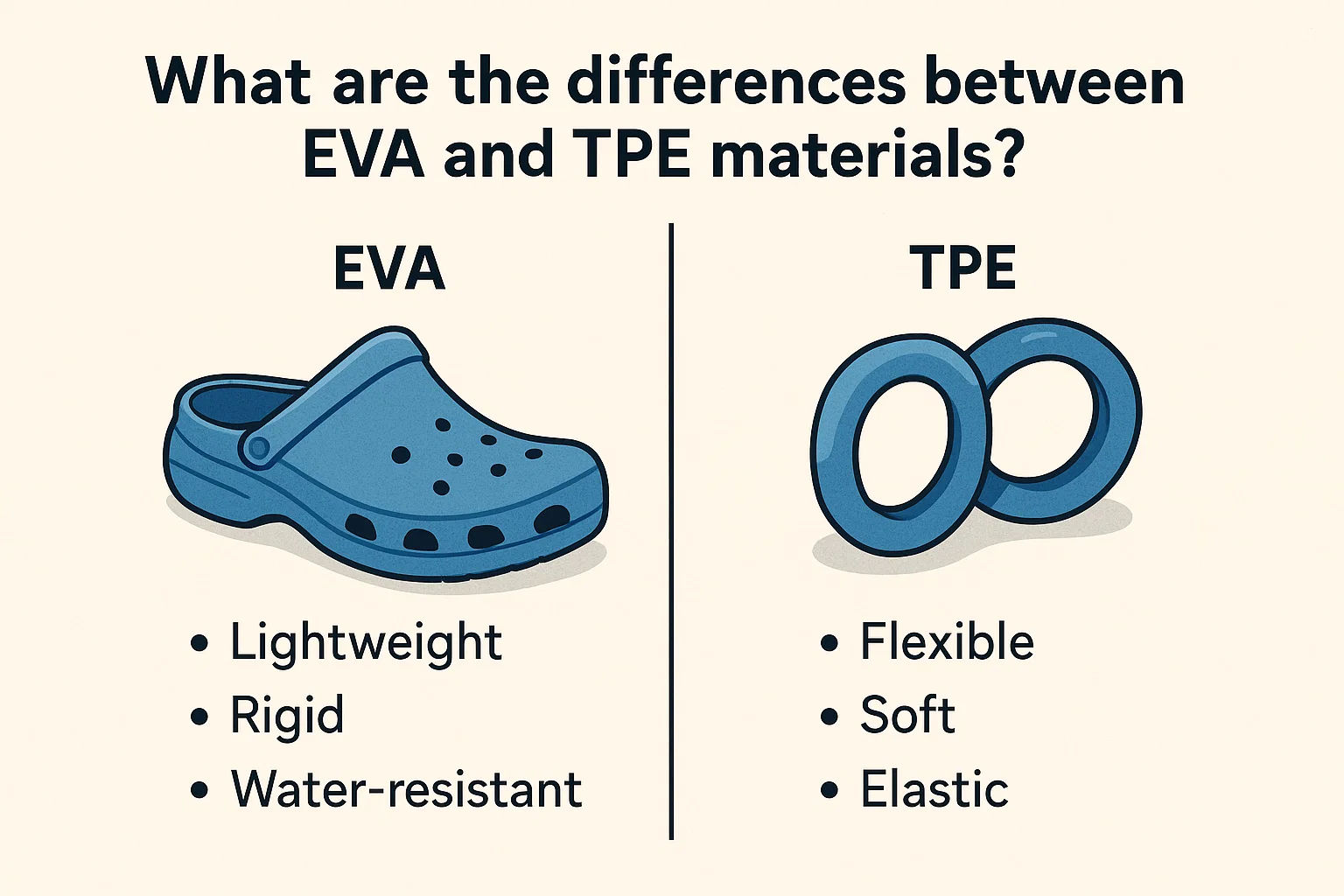
The primary difference lies in their chemical versatility and sustainability. While EVA is a foam-based polymer championing superior shock absorption and cost-effectiveness, TPE is a sophisticated blend of rubber and plastic that offers higher durability, better UV resistance, and full recyclability. If you need maximum cushioning, choose EVA; if you prioritize longevity and eco-friendliness, TPE is the superior choice.
Understanding the Materials: A Deep Dive
What is EVA?
EVA is an elastomeric polymer that produces materials which are “rubber-like” in softness and flexibility. It is the industry standard for lightweight cushioning.
Geschikt voor: Footwear midsoles, protective sports gear, and budget-friendly yoga mats.
What is TPE?
TPE is a high-performance material that combines the easy processing of plastics with the elasticity of rubber. It is often referred to as “green rubber.”
Geschikt voor: High-end eco-friendly yoga mats, medical tubing, and automotive seals.
Key Comparison Factors
1. Durability & Resilience
When it comes to “memory” and long-term use, TPE takes the lead. TPE products maintain their shape even after repeated stretching or compression. Furthermore, TPE offers exceptional resistance to UV rays and chemicals, making it suitable for outdoor environments where EVA might degrade or harden over time.
2. Environmental Impact (E-E-A-T Focus)
As sustainability becomes a decisive factor for modern buyers, understanding the life cycle of your material is crucial.
- TPE: 100% Recyclable. It can be melted down and reused, significantly reducing the carbon footprint.
- EVA: Harder to recycle. Most EVA foam products end up in landfills at the end of their life cycle.
3. Performance & Texture
TPE biedt in het algemeen een superieure grip (anti-slip surface) zelfs als het nat is, waarom professionele yogamatjes TPE prefereren. EVA, hoewel extreem zacht, kan glad worden wanneer het blootgesteld wordt aan zweet of vocht, hoewel zijn dempende werking per millimeter vaak hoger is dan TPE.
Voordelen en nadelen: Directe vergelijking
Voordelen van TPE
- Milieuvriendelijk & Recyclabel
- Uitzonderlijke UV- en weerbestendigheid
- Superieure anti-slip-grip
- Grote elasticiteit & herstelvermogen
Nadelen van TPE
- Hoogere grondstofkosten
- Kan zwaarder zijn dan laag-dichtheidse EVA
Voordelen van EVA
- Uitstekend lichtgewicht
- Uitzonderlijke dempende werking
- Hoog kosteneffectief
- Waterbestendig (gesloten cel)
Nadelen van EVA
- Moeilijk te recycleren
- Lager weerstand tegen hitte/UV
- Can “flatten” over time
Technische specificaties tabel
| Functie | EVA-materiaal | TPE Material |
|---|---|---|
| Flexibiliteit | Zacht & Dempend | Uitstekend elastisch & verlengbaar |
| Duurzaamheid | Gematigd | Hoog (Bestendig tegen veroudering) |
| Recycleerbaarheid | Laag | Hoog (Milieuvriendelijk) |
| Chemische weerstand | Goed | Uitstekend |
| Typische Cost | Budget-Friendly | Premium / Mid-range |
Strategisch Keuzegids: Welke moet u kiezen?
Kies EVA als: U ontwerpt producten waar lichte comfort en kosten-efficiëntie de hoogste prioriteiten zijn, zoals disposable verpakkingen, casual schoenen of kinderspeelgoed.
Kies TPE als: U richt zich op het premium-marktsegment, waar duurzaamheid, huidvriendelijke eigenschappen en lange-termijn duurzaamheid onder zware omstandigheden niet onderhandelbaar zijn.
Twijfel je over welk graden het beste is voor je toepassing? Onze ingenieursgroep kan een maatwerk materiaalanalyse bieden om de prestaties van uw product te optimaliseren.
Bekijk een Professionele MateriaalconsultatieDeskundigheidsopmerking: Deze vergelijking is gebaseerd op standaard industriële graden. Specifieke eigenschappen kunnen tijdens de compounding-proces worden aangepast om maatwerkvereisten te vervullen.