Luvas Ecológicas: Guia para Opções Biodegradáveis
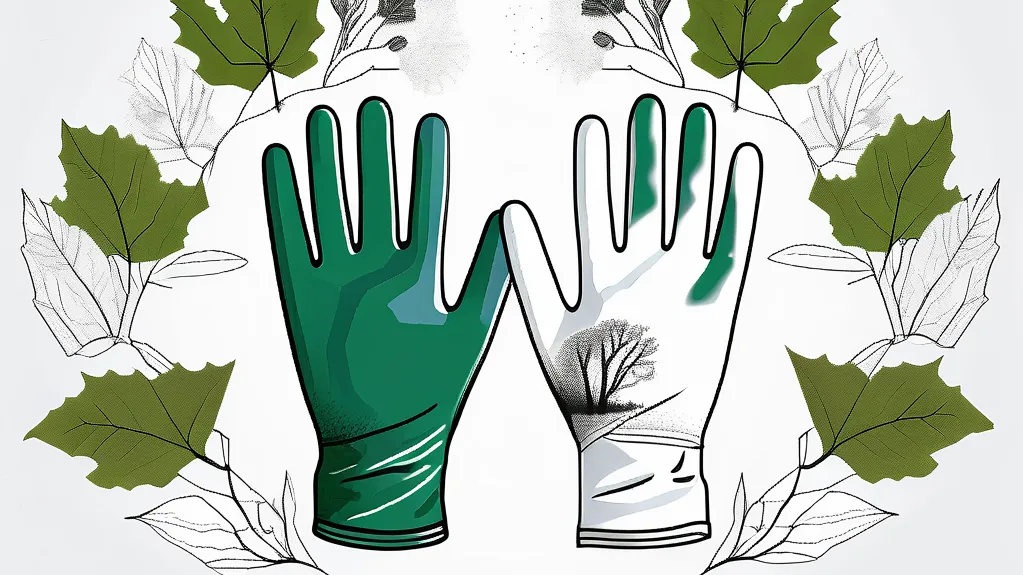
Nos últimos anos, a importância da sustentabilidade e da consciência ambiental tem surgido à frente de muitas indústrias. Uma dessas indústrias é a indústria de luvas, onde a demanda por opções ecológicas tem aumentado constantemente. O debate sobre o uso de luvas biodegradáveis é um tópico de discussão significativo, pois tem o potencial de resolver o problema da geração de resíduos. Este guia tem como objetivo explorar a eficácia das luvas biodegradáveis, entender a ciência por trás da sua biodegradabilidade, decodificar os padrões de biodegradabilidade de plásticos e analisar a sustentabilidade de diferentes soluções de luvas.
O Debate Ecológico: Luvas Biodegradáveis
Explorando a Eficácia das Luvas Biodegradáveis
Luvas biodegradáveis oferecem uma solução promissora para o crescente problema do desperdício de luvas no nosso ambiente. Estas luvas são projetadas para se desintegrarem naturalmente ao longo do tempo, reduzindo o seu impacto nos aterros sanitários e ecossistemas. No entanto, é essencial avaliar a sua eficácia em cenários do mundo real. Pesquisadores realizaram estudos para avaliar a taxa de biodegradação, durabilidade e funcionalidade das luvas biodegradáveis em várias indústrias. Estes estudos fornecem insights valiosos sobre a aplicabilidade e limitações destas luvas.

Understanding the Science Behind Biodegradability
Biodegradabilidade é um processo complexo influenciado por vários fatores como a composição do material, as condições ambientais e os mecanismos de degradação. Entender a ciência por trás da biodegradação das luvas é crucial para compreender o seu impacto ambiental de forma precisa. Microorganismos e enzimas desempenham papéis chave na degradação dos materiais das luvas, devolvendo-os aos seus elementos naturais. Ao delvarem nos aspectos científicos, podemos compreender melhor como as luvas biodegradáveis contribuem para um futuro sustentável.
The Environmental Impact of Biodegradable Gloves
O impacto ambiental das luvas biodegradáveis estende-se além da sua capacidade de se desintegrarem naturalmente. Factores como a energia e os recursos necessários para a produção, transporte e descarte devem ser considerados. As avaliações de ciclo de vida fornecem insights sobre as emissões de gases de efeito estufa, o uso de água e a geração de resíduos associados ao ciclo de vida inteiro de diferentes materiais de luvas. Ao avaliar a sua pegada ambiental, podemos tomar decisões informadas sobre a sustentabilidade das opções de luvas biodegradáveis.
One important aspect to consider when evaluating the environmental impact of biodegradable gloves is their potential to reduce the carbon footprint. Traditional gloves made from non-biodegradable materials, such as synthetic rubber or vinyl, require significant amounts of fossil fuels for production. In contrast, biodegradable gloves can be manufactured from renewable resources like plant-based materials or biopolymers derived from corn or sugarcane. By opting for biodegradable gloves, we can reduce our reliance on finite resources and decrease greenhouse gas emissions associated with their production.
Additionally, the disposal of non-biodegradable gloves poses a significant challenge. These gloves can take hundreds of years to decompose, contributing to the accumulation of waste in landfills. Biodegradable gloves, on the other hand, break down relatively quickly, reducing the strain on landfill capacity and minimizing the risk of environmental contamination. This aspect is particularly important in industries that generate large quantities of glove waste, such as healthcare, food processing, and manufacturing.
Moreover, the functionality and durability of biodegradable gloves are crucial factors in their effectiveness. While it is essential for gloves to be environmentally friendly, they must also provide adequate protection and performance. Researchers have conducted tests to evaluate the strength, flexibility, and resistance of biodegradable gloves to ensure they meet industry standards. By striking a balance between eco-friendliness and functionality, biodegradable gloves can offer a sustainable solution without compromising on performance.
Decoding Plastic Biodegradability Standards
Navigating the Complex World of Plastic Biodegradability
Understanding plastic biodegradability standards can be a challenging task, given the multitude of certifications, labels, and claims in the market. It is important to distinguish between different types of biodegradable plastics, such as compostable, oxo-degradable, and photodegradable materials. Familiarizing ourselves with these standards empowers us to choose genuinely eco-friendly glove options that align with our sustainability goals.
 ### Key Factors in Determining Biodegradability Standards
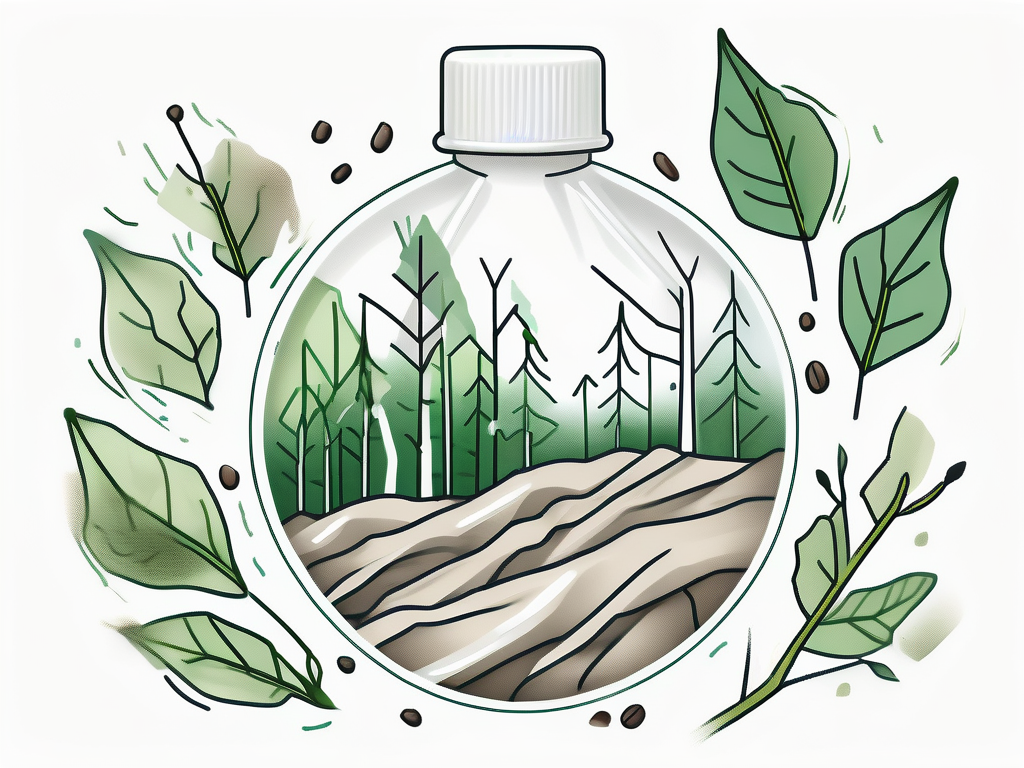
Several key factors determine the biodegradability standards for plastics. These include the type of polymer used, the presence of additives, the environmental conditions required for degradation, and the time it takes for complete breakdown. Standardization authorities and organizations play a crucial role in establishing guidelines and certifications, ensuring that biodegradable plastic products meet rigorous criteria. By understanding these factors, we can validate the claims made by glove manufacturers and make well-informed choices.
Types of Biodegradable Plastics
Compostable plastics are designed to break down in composting facilities, requiring specific conditions such as heat, moisture, and microbial activity. Oxo-degradable plastics contain additives that accelerate degradation when exposed to oxygen and sunlight, fragmenting the material into smaller pieces. Photodegradable plastics undergo degradation when exposed to ultraviolet light, breaking down into smaller particles over time. Each type of biodegradable plastic has its unique characteristics and environmental impact, making it essential to choose the right option based on the intended use and disposal method.
Environmental Impact of Biodegradable Plastics
While biodegradable plastics offer a promising solution to reduce environmental pollution, their impact depends on proper disposal and management. Inadequate waste infrastructure can hinder the biodegradation process, leading to littering and potential harm to wildlife. It is crucial for consumers to dispose of biodegradable plastics correctly, following guidelines for composting or recycling to maximize their eco-friendly benefits. Additionally, ongoing research and innovation in the field of biodegradable materials aim to improve efficiency and sustainability, paving the way for a greener future.
From Production to Disposal: The Sustainability of Glove Solutions
Analyzing the Lifecycle of Sustainable Glove Options
Examining the entire lifecycle of glove solutions helps us identify the most sustainable alternatives. Factors such as raw material sourcing, manufacturing processes, packaging, use, and end-of-life disposal contribute to the overall sustainability of gloves. By considering each stage of the lifecycle, we can assess the environmental impact and make conscious decisions in favor of more sustainable glove solutions.
 ### How Different Glove Materials Impact Sustainability
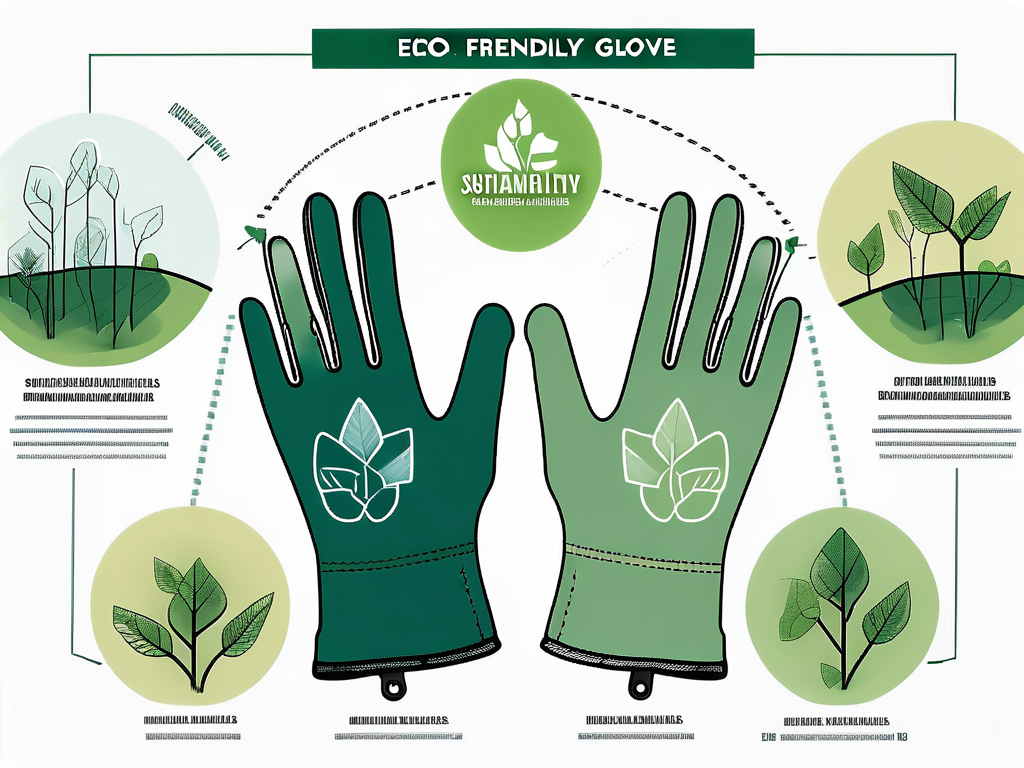
The choice of glove material significantly affects the overall sustainability of glove solutions. Comparing materials like natural rubber latex, synthetic rubber, and biodegradable polymers allows us to assess factors such as renewability, carbon footprint, and resource depletion. By weighing the pros and cons of different glove materials, we can determine which options align best with our eco-friendly goals.
When it comes to natural rubber latex gloves, the sourcing of raw materials plays a crucial role in sustainability. Rubber trees, which are the primary source of natural rubber latex, are known for their ability to absorb carbon dioxide from the atmosphere. This means that by using gloves made from sustainably sourced natural rubber latex, we can contribute to carbon sequestration and reduce our carbon footprint.
On the other hand, synthetic rubber gloves, such as nitrile or neoprene, are derived from petroleum-based materials. The extraction and processing of these materials have significant environmental implications, including greenhouse gas emissions and resource depletion. However, advancements in technology have led to the development of bio-based synthetic rubber gloves, which are made from renewable resources such as corn or sugarcane. These bio-based alternatives offer a more sustainable option compared to their petroleum-based counterparts.
In recent years, the demand for biodegradable gloves has been on the rise. Biodegradable polymers, such as polylactic acid (PLA) or polyhydroxyalkanoates (PHA), are gaining popularity as they can break down naturally in the environment. However, it is important to note that the biodegradability of these gloves depends on specific conditions, such as temperature, humidity, and microbial activity. Understanding the science behind biodegradability and ensuring proper disposal methods are essential to maximize their environmental benefits.
In conclusion, the demand for eco-friendly gloves has paved the way for biodegradable options. Exploring the effectiveness of biodegradable gloves, understanding the science behind biodegradability, decoding plastic biodegradability standards, and analyzing the sustainability of different glove solutions are crucial steps in finding viable alternatives to conventional gloves. By considering the environmental impact of our choices, we can contribute to a more sustainable future and reduce the burden of waste on our planet.