Disposable Plastic Aprons Guide: Uses and LDPE Material Specs
- Damao Tech
- Gloves
- 23 Aug, 2023
Maintaining strict hygiene protocols requires protective garments that block sudden spills without absorbing fluids. This guide explains how disposable plastic aprons provide a complete waterproof barrier against biological contaminants, oils, and harsh cleaning agents in fast-paced commercial environments.
What Are Disposable Plastic Aprons?
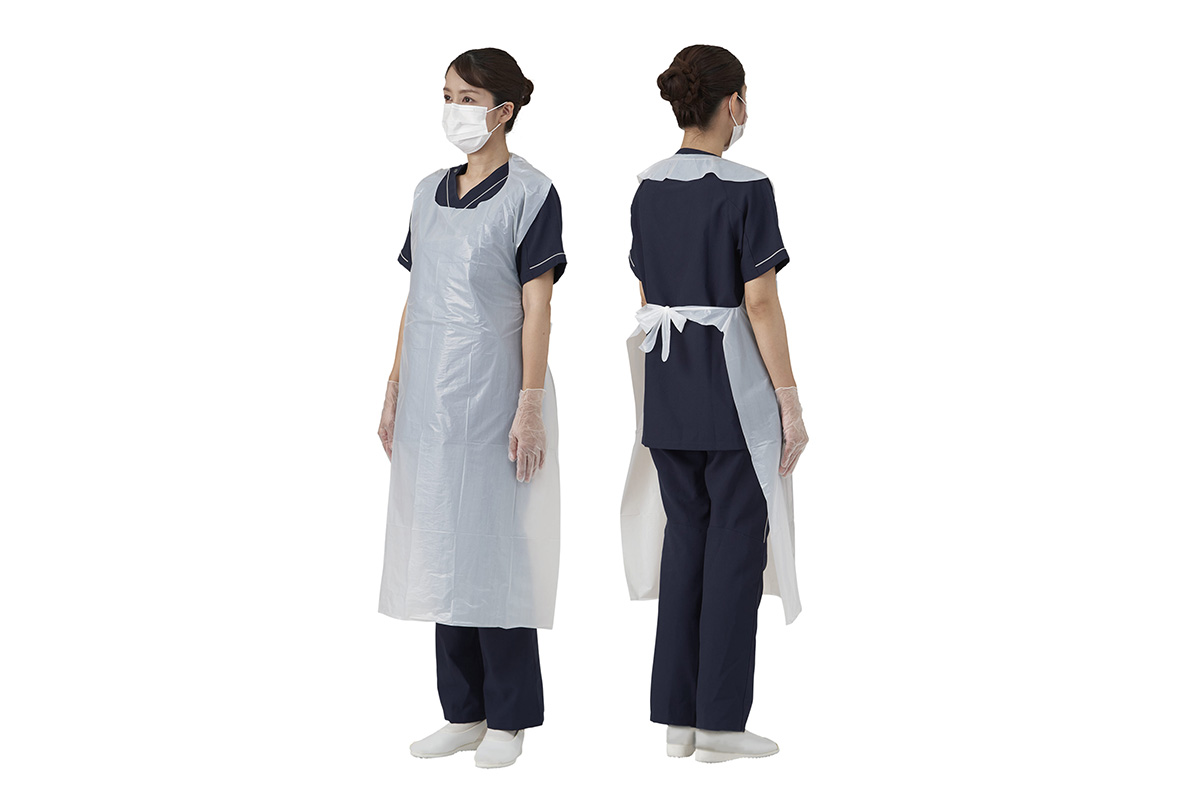
A disposable plastic apron is a single-use protective garment manufactured from Low-Density Polyethylene (LDPE). Because LDPE consists of heavily cross-linked plastic molecules, it creates a completely non-porous structure that immediately repels water and oils. Facilities use these lightweight aprons over standard fabric uniforms to prevent bacterial cross-contamination during highly messy tasks, allowing workers to quickly discard the contaminated plastic when finished.
Key Advantages of LDPE Plastic Aprons
Disposable plastic aprons deliver immediate hygiene upgrades over reusable cotton alternatives. In our material testing, LDPE naturally prevents moisture transfer, fundamentally securing user safety in unpredictable environments.
- Impeccable Liquid Barrier: Provides 100% waterproof protection. LDPE stops bodily fluids, raw meat juices, and chemical splashes from reaching your underlying garments.
- Tear-Resistant Durability: LDPE offers high tensile stretch. Our aprons handle fast-paced movements without ripping at the waist ties or neckband.
- Cost-Effective Efficiency: Eliminates expensive laundry bills. Sorting, washing, and sanitizing fabric aprons costs significantly more than quickly deploying a fresh plastic barrier.
- Flat-Packed Dispensing: Arrives efficiently flat-packed in bags. This space-saving design allows staff to pull a single apron instantly from a wall-mounted dispenser.

Core Industry Applications
Because of their affordability and absolute fluid resistance, specific commercial sectors rely entirely on disposable aprons daily.
- Healthcare and Patient Care: Nurses wear plastic aprons during patient bathing or fluid-heavy procedures to block direct pathogen transfer.
- Food Processing: Butchers and kitchen staff prevent raw food cross-contamination by switching plastic aprons between handling different meat stations.
- Janitorial Services: Cleaners deploy full-body plastic coverage to block bleach splashes and chemical overspray during deep cleaning operations.
Essential Specifications
Matching correct specifications to your workflow prevents accidental exposure. Our standard aprons meet strict industrial requirements:
- Material Type: 100% Virgin LDPE (Low-Density Polyethylene).
- Surface Texture: Embossed inner surface prevents the plastic from restricting movement by sticking to your uniform.
- Coverage Design: Extended length protects your body from shoulders down to the knees.
- Industry Standard AQL: 2.5 (Acceptable Quality Limit).
- Packaging Logic: 100 pieces per bag, 10 bags per master carton.
Summary and Next Steps
Disposable plastic aprons provide an absolute, cost-effective waterproof barrier for demanding commercial tasks. Evaluate your team’s spill risk to determine your exact volume needs. By maintaining a steady supply of these protective garments, you ensure consistent compliance with strict hygiene regulations.
GET IN TOUCH
Ready to enhance your workplace hygiene and protection? For the latest pricing, bulk order inquiries, or any questions you might have, please send us a message using the form below. We’re here to help!
[fluentform id=“1”]